
Reverse-Engineering a Senolytic Drug with Botanicals: A Kinase-Target–Mapping Framework for Designing a Plant-Derived Analogue of the Dasatinib–Quercetin Regimen
Categories: Uncategorized 0 CommentsAdam Geller 1
Affiliations:
1 MDS Labs® Botanical Research Lab, Valencia, California
2 Reventek®, Los Angeles, California
PMID: Pending. PMCID: Pending. DOI: Pending.
Abstract
Cellular senescence is a primary hallmark of aging, and the selective removal or quieting of senescent cells has become one of the most actively pursued strategies for extending healthspan. The reference senolytic regimen — the tyrosine-kinase inhibitor dasatinib combined with the plant flavonol quercetin (D+Q) — was itself discovered by a target-first logic: mapping the pro-survival signaling nodes that senescent cells depend on, then selecting agents that disable those nodes. This paper asks whether the same target-first logic can be run in the botanical direction: beginning from the documented molecular target profile of dasatinib and assembling naturally occurring compounds, each reported to act on one or more of those targets, at doses already established in human use.
We formalize this as a framework — target deconvolution, phytochemical mapping, evidence grading, and candidate assembly — and apply it to dasatinib. The result is a botanical analogue of the drug: a set of compounds assembled to engage dasatinib’s targets, intended to be paired with quercetin in parallel to D+Q. We present the candidate pool with per-target evidence grading, an explicit map of which dasatinib targets are matched strongly, partially, or minimally by available botanicals, the dosing and safety reasoning behind the design, and the experiments that would test it.
Throughout, the design is governed by two principles. First, it aims to engage dasatinib’s full validated target profile rather than a theorized subset of it, since the clinical results that define D+Q were produced by dasatinib engaging its entire profile. Second, although the regimen is intended for intermittent “hit-and-run” use, every compound and dose is selected through the conservative lens of daily tolerability — a precautionary safety standard adopted because the physiology, hepatic status, and concurrent medications of any given user are unknown. To stay matched to the validated regimen, the design reinforces the quercetin side through rutin — the quercetin glycoside quercetin-3-O-rutinoside, which acts as a pro-form sustaining quercetin. We close by examining a methodological question that bears on the whole enterprise: whether a transcriptional-similarity match to a drug can establish a senolytic hypothesis at all. The contribution is the framework and the graded candidate pool it yields; what is described is a falsifiable design hypothesis, not a therapy, and not a product.
1. Introduction
Aging is accompanied by the progressive accumulation of senescent cells — cells that have exited the cell cycle but persist, resisting apoptosis and secreting a pro-inflammatory mixture known as the senescence-associated secretory phenotype (SASP). The accumulation of these cells is now recognized as a core hallmark of aging [3], and their selective elimination (by senolytics) or the suppression of their secretory phenotype (by senomorphics) has produced striking improvements in healthspan across animal models [1, 2].
The defining senolytic regimen is the combination of dasatinib and quercetin (D+Q). Its discovery is instructive. Zhu and colleagues did not find D+Q by screening compounds at random; they first used transcriptomic analysis to identify the senescent-cell anti-apoptotic pathways (SCAPs) — pro-survival networks, including ephrin ligands and receptors, PI3Kδ, and BCL-xL, that senescent cells rely on to evade death — then selected agents known to disable those nodes. Dasatinib and quercetin were chosen precisely because they engage SCAP components [4]. The senolytic field began with a target-first method: define the vulnerability, then find the molecule.
That logic sits within a broader shift in pharmacology. The classical aim of designing maximally selective, single-target drugs has been complemented by network pharmacology, which recognizes that many effective agents act through modulation of multiple proteins, and that multi-target engagement can confer robustness against a network’s redundancy. Hopkins argued that this polypharmacological mode is especially characteristic of plant-derived compounds, which natively act on many targets at once [5]. A botanical mixture deliberately assembled to cover several nodes of a validated drug-target network is therefore not a dilution of a clean pharmaceutical idea; it is a direct instance of the polypharmacology paradigm.
This paper applies that paradigm in reverse. Rather than discovering a target network from scratch, it takes a network whose senolytic relevance is already established — the molecular target profile of dasatinib — and asks which naturally occurring compounds, at doses already used in humans, collectively engage those targets. The result is a candidate botanical analogue of dasatinib, intended for pairing with quercetin in parallel to D+Q.
A recent, independent effort reached the same destination by a different route, and it is worth describing plainly, because this paper returns to it at the close. In a 2024 study in Scientific Reports, “Computational identification of natural senotherapeutic compounds that mimic dasatinib based on gene expression data,” Meiners and colleagues approached the problem from the opposite end [14]. Rather than starting from dasatinib’s molecular targets, they started from its effect on gene expression. Using public databases that record how thousands of compounds change the pattern of genes a cell switches on and off, they searched for natural compounds that produce a gene-expression signature similar to dasatinib’s — the reasoning being that a compound which makes a cell behave, at the level of gene activity, the way dasatinib does might share dasatinib’s useful effects. Their search nominated a set of natural-compound candidates, including piperlongumine, parthenolide, phloretin, and curcumin.
The two approaches are complementary, and their difference is the key to a question raised later in this paper. Gene-expression-similarity matching, the Meiners method, is unbiased and systematic — it scans everything without prior assumptions — but it is mechanism-agnostic: it reports that a compound behaves like dasatinib in a transcriptional readout without identifying which targets it engages or why. Target mapping, the method used here, is the reverse: it is mechanistically explicit — every inclusion is justified by a named molecular target — but it is only as strong as the underlying literature, which is heterogeneous in quality. Neither approach demonstrates efficacy on its own; both generate hypotheses. That two independent groups converged on the same overarching goal supports the legitimacy of the problem, even as their methods, and the compound lists they produce, diverge almost entirely.
The contributions of this paper are: a reproducible framework for designing a botanical analogue of a target-defined drug; its application to dasatinib, with an explicit and honest map of target coverage and its gaps; a graded pool of candidate compounds, from which a formulation can be assembled along more than one defensible line depending on what is optimized; and a defined program of experiments — beginning with an in-silico benchmark — that would test the design.
2. Background: Senescence and Senotherapeutics
Senescence is a stress response that arrests the division of damaged cells, serving as a tumor-suppressive and wound-healing mechanism. Senescent cells typically develop the SASP, a secretory program that recruits immune clearance; when these cells are not cleared and instead accumulate — as they do with age and at sites of tissue pathology — the same secretions drive chronic, sterile inflammation implicated in numerous age-related conditions [1, 3]. Because senescent-cell burden is causally linked to functional decline in animal models, the cells are a rational therapeutic target.
Senotherapeutics divide into two classes. Senolytics reduce the viability of senescent cells, typically by disabling the anti-apoptotic defenses (SCAPs) that let these cells survive despite their damage [4]. Senomorphics leave the cells alive but suppress the SASP. The distinction is a spectrum rather than a dichotomy, and several of the best-validated agents occupy both ends of it depending on cell type and concentration. Quercetin, one of the two components of the reference regimen, is reported as senolytic in some senescent-cell types and senomorphic in others; dasatinib’s activity likewise varies by context. The framework below treats both senolytic and senomorphic activity as relevant, since a botanical compound may contribute through either, and a compound exhibiting both is behaving as the validated agents do. Since 2015, multiple senolytic and senomorphic candidates — pharmaceutical and natural — have advanced toward clinical testing, and a recognized subset of the natural candidates are dietary flavonoids and polyphenols, among them quercetin and fisetin [16].
3. The Dasatinib–Quercetin Regimen: Mechanistic and Clinical Context
Mechanistic origin. D+Q emerged from mapping the SCAP nodes of senescent cells and selecting agents that engage them; dasatinib was most effective against senescent fat-cell progenitors, quercetin against senescent endothelial cells, and the combination covered a broader range of senescent-cell types than either alone [4].
Clinical context. The first-in-human senolytic trial administered D+Q to patients with idiopathic pulmonary fibrosis and reported improvements in physical function in an open-label pilot focused on feasibility and tolerability [9]. A subsequent open-label study in diabetic kidney disease provided the first direct evidence that D+Q reduces senescent-cell burden in human adipose and skin tissue [10]. A vanguard open-label pilot in early Alzheimer’s disease established central-nervous-system penetrance and safety, with dasatinib reaching cerebrospinal fluid; it was not designed to demonstrate efficacy [11]. Reviews of the field discuss further preclinical work and senescent-cell clearance in aged human brain organoids [12, 13]. The consistent thread is that dasatinib’s senolytic activity is attributed to engagement of specific molecular targets — the target set this framework reverse-engineers.
Dosing modality. In clinical use, D+Q is administered intermittently — short courses rather than continuous daily dosing — consistent with a “hit-and-run” senolytic logic in which survival pathways are transiently disabled to trigger clearance, after which the agent is withdrawn. The botanical analogue described here is designed for the same intermittent modality. As Section 8 details, however, the selection of compounds and doses is nonetheless governed by a conservative daily-tolerability standard — a deliberate safety margin, not a dosing schedule.
Motivation for a botanical analogue. Dasatinib is a potent prescription pharmaceutical with recognized adverse effects, including pulmonary arterial hypertension in a subset of treated patients [8], and a metabolism (primarily via CYP3A4) that produces numerous clinically significant drug interactions. Naturally occurring compounds are generally associated with fewer adverse effects than synthetic agents and are widely studied as starting points for kinase-directed strategies [15]; “fewer reported adverse effects,” however, is not “proven safe at any dose,” and the cautions of Sections 8–9 apply.
4. Methods: A Kinase-Target–Mapping Framework
The framework is presented generally — it could be applied to any target-defined drug — and then applied to dasatinib. It comprises four steps.
Step 1 — Target deconvolution of the reference drug. Assemble the documented molecular target profile of the reference agent from the strongest available sources, prioritizing systematic experimental data over narrative review. For dasatinib, the empirical anchor is the kinome-wide profiling of Karaman et al., who measured the binding of 38 kinase inhibitors across 317 kinases — more than half the human kinome — and introduced a quantitative selectivity score [6]. This is complemented by the focused review of Montero et al., enumerating dasatinib’s most sensitive targets: ABL (and the BCR-ABL fusion); the SRC-family kinases SRC, LCK, HCK, FYN, YES, FGR, BLK, LYN, and FRK; and the receptor tyrosine kinases c-KIT, PDGFR-α/β, DDR1, c-FMS (CSF1R), and the ephrin receptors [7]. Several of these overlap the SCAP nodes independently identified as senolytic vulnerabilities — the ephrin axis and PI3Kδ in particular [4] — linking dasatinib’s kinase profile directly to the survival network senolytics exploit.
Step 2 — Phytochemical mapping. For each target, and for the immediately connected survival nodes, identify naturally occurring compounds with reported inhibitory or modulatory activity, drawing on the primary literature and, where primary data are absent, on computational target prediction. Compounds toxic at relevant doses, or available only as research chemicals, are excluded at this step regardless of target fit.
Step 3 — Evidence grading. Grade each compound–target association by the strongest available evidence, on an explicit hierarchy: computational/in-silico, then in-vitro, then animal, then human. Critically, grading is performed per target, not per compound: where a single compound is mapped to several targets, each target–compound link carries its own evidence tier, so that a strong association on one node is not allowed to imply strength on another.
Step 4 — Candidate assembly and strategy derivation. Assemble the graded compounds into a single candidate pool, retaining quercetin to parallel the D+Q pairing, with doses within ranges already used in human studies or customary supplementation (Section 8). From this one pool, more than one formulation strategy can be drawn depending on what is optimized — breadth of target coverage, or strength of direct senescence evidence. This paper derives two such strategies (Section 8). Doses are chosen for established human tolerability and are not optimized as a combination; documented pairwise interactions are discussed in Sections 8 and 9, but no assembled formulation has been tested as a unit.
Coverage and gap analysis. Honesty about coverage is integral to the method. The mapped botanicals engage a subset of dasatinib’s targets; the framework yields an analogue informed by the target profile, never a reproduction of it. Section 6 presents the full coverage map — the target arms with strong botanical matches, those with only partial matches, and those with minimal or qualified matches — stated as plainly as the inclusions.
5. Results: Candidate Compound Pool and Target Map
Applying the framework to dasatinib yields the candidate pool of Table 1. Each row records a compound, the dasatinib-relevant target or node it was mapped to, the reported activity, and — graded per target — the strongest evidence tier identified for that specific link. Where a compound engages more than one node at different evidence tiers, the rows reflect that difference rather than averaging it. The right-hand column indicates the role each compound plays in the formulation strategies developed in Section 8.
The table reports the full candidate set rather than only the compounds carried into a formulation. Match quality declines steeply below the leading compounds: a small number show strong, multi-tier target engagement, after which the evidence available for further candidates falls off quickly in both strength and directness. The lower-ranked entries are included to make that drop-off explicit — to show how narrow the field of viable contenders actually is — rather than to recommend them. The compounds advanced into a formulation (Section 8) are drawn from the upper end of this distribution.
Table 1. Candidate compound pool: mapped dasatinib-relevant target/node, reported activity, per-target evidence tier, and role in the formulation strategies.
| Compound | Mapped target / node | Reported activity | Evidence (per target) | Role |
| Quercetin | SRC-family (SRC/FYN/LYN); PI3K/AKT; BCL-2 | SFK and PI3K/AKT inhibition; SCAP engagement | Human (D+Q) [9,10]; in-vitro (targets) [15] | Both strategies |
| Fisetin | BCL-xL / BCL-2 (SCAP); CDK1/CDK4; AMPK/MAPK/mTOR | Selective senolysis; BCL-xL-axis apoptosis of senescent cells | Animal + human tissue [19]; BCL-xL [32] | Both strategies |
| Rutin | Quercetin pro-form (Q-side); SASP; c-Met (→c-Src) | Glycoside pro-form sustaining quercetin exposure; senomorphic | Animal (senomorphic) [29]; in-vitro (c-Met) [28] | Both strategies |
| Sophora flavescens ext. (oxymatrine / lupeol / kurarinone) | Anti-apoptotic via oxymatrine; MMP via lupeol; survival/inflammatory modulation | Survival-pathway and inflammatory modulation | In-vitro (lupeol/MMP) [25] | Both strategies |
| Pterostilbene | BCR/ABL signaling; AMPK; mitophagy | ABL-axis downregulation; AMPK activation; senescence reduction | In-vitro (ABL [23]; AMPK [24]) | Both strategies |
| Spermidine | Autophagy (primary); SRC (allosteric, weak); BCL-2 (associative) | Autophagy induction (well-supported); minor allosteric Src modulation | Animal (autophagy) [22]; in-vitro, weak (SRC) [21] | Both (declared adjunct) |
| Berberine | CSF1R, KIT, PI3Kδ (predicted); AMPK | Predicted high-affinity RTK binding; AMPK activation | In-silico (targets) [26]; human (AMPK) [27] | Strategy A — see note |
| Senna (Sennoside B) | PDGFR-β | Inhibition of PDGF-BB–induced signaling | In-vitro [18] | Strategy A — see caution |
| Terminalia chebula (std. fruit ext.) | Ephrin receptor / EphA2–ephrinA1 | Inhibits EphA2–ephrinA1 binding at conserved site | In-vitro (two independent) [34] | Strategy B (ephrin) |
| Red Asian ginseng (Panax ginseng, std. ginsenosides) | Senescence markers (Rg3); ephrin-adjacent | Rg3 lowers p16/p21/p53 and SA-β-gal in human fibroblasts | In-vitro (Rg3/senescence) [35] | Strategy A, Part B |
| Luteolin | SRC-family class; LIMK1; STAT3 (partial) | SFK-class flavonoid activity; LIMK1 inhibition; partial STAT3 | In-vitro (LIMK1, pull-down) [37]; in-vivo (senomorphic) | Strategy B (SFK) |
| Honokiol (Magnolia bark ext.) | SRC-family (LYN); EGFR; STAT3/AKT | LYN-dependent apoptosis (knockdown-validated); senescence-marker reduction | In-vitro (LYN, knockdown) [36] | Strategy B optional — see note |
| Piceatannol (stilbene) | SYK (SRC→FAK axis); LCK | Syk-selective inhibition; also inhibits LCK | In-vitro [38] | Contender — see note |
Evidence tier is the strongest line of support identified for that specific compound–target link, not a summary of total weight, with the supporting reference given inline. “In-silico” denotes computational prediction (weakest tier). A mapped target means reported activity on that node, not a confirmed in-vivo senolytic effect for this use. The per-target grading is deliberate: spermidine, for example, is well supported as an autophagy inducer but only weakly and allosterically associated with SRC, so it is positioned as a declared longevity adjunct (Section 8) rather than as SRC-family coverage — a distinction a single per-compound grade would obscure.
6. Target Coverage: What Is Covered, What Is Not
The candidate pool covers dasatinib’s senolytically-relevant target architecture unevenly, and the design states this directly. The picture below was assembled by mapping every compound in the pool against the documented dasatinib target set and the connected SCAP survival nodes, and then asking, for each arm, whether any pool compound that also meets the safety standard of Section 8 engages it.
Strong match. The prototypical SRC-family node (SRC, FYN, and the closely related members) is engaged by quercetin, and in Strategy B by luteolin as deliberate class-level coverage, with honokiol available as an optional addition contributing LYN-axis support. The PI3K/AKT survival axis is engaged by quercetin. The BCL-2/BCL-xL SCAP node, frequently treated as requiring a dedicated agent, is in fact engaged by fisetin, whose senolytic action is mediated substantially through the BCL-xL axis, with quercetin contributing. The ephrin-receptor arm — the node the primary literature treats as most central to dasatinib’s senolytic action — is matched by red Asian ginseng (Strategy A) or Terminalia chebula (Strategy B). The SASP/inflammatory output is addressed by rutin and luteolin, and the autophagy/longevity axis by spermidine and fisetin.
Partial match. Several of dasatinib’s receptor-tyrosine-kinase targets — c-KIT, PDGFR-β, CSF1R — are matched only by predicted (in-silico) binding (berberine) or by single in-vitro reports (senna, for PDGFR-β). The match here is partial because the supporting evidence is weak, not because the targets are presumed unimportant. STAT3, a recurrent senescent-survival node, is only partially matched (by luteolin). Ephrin coverage beyond EphA2 (the EphB receptors) is not specifically addressed.
Minimal or qualified match. Two arms are reached only by compounds that carry explicit caveats. First, the SRC-family breadth beyond the prototypical members — in particular the lymphoid-restricted member LYN — is engaged by honokiol (a Magnolia-bark lignan with knockdown-validated LYN activity), available as an optional addition to Strategy B but carried with a note: its safety record rests on low-honokiol whole-bark extracts, and the dose at which LYN engagement is assured is less well characterized for chronic exposure (Section 8). The remaining lymphoid SRC-family members (LCK, BLK, FRK) are still not selectively engaged by any compound; flavonoids inhibit the SRC family as a structural class, which is the realistic ceiling for a botanical. Second, the SRC→FAK survival axis — a validated senolytic route most cleanly reached through SYK inhibition — is addressed only by piceatannol, a stilbene carried in the pool as a contender with a dissuading note for its estrogenic activity and absence of in-vivo senescence data (Section 8). These arms are therefore not wholly unmatched, but the only available agents are qualified ones: a LYN agent constrained by a dosing caveat and a SYK agent constrained by a safety consideration. This is the point at which the botanical evidence for further target coverage becomes limited.
| The search behind this map. The coverage gaps were tested rather than assumed. A structured screen of more than 1,500 naturally occurring compounds — drawn from the primary kinase-inhibition literature, traditional-medicine network-pharmacology datasets, and systematic searches against each uncovered target — identified no additional compound that both engages the open targets (the lymphoid SRC-family members beyond those reached, and further SRC→FAK coverage) and meets the formulation’s safety standard. The boundaries of the map are therefore a result of that screen: a statement of how far a botanical analogue can presently reach, on what evidentiary terms, rather than an omission. |
7. Pathway Description
The targets above are described here in terms of cell-cycle control, survival signaling, inflammation, and senescence. Several of these kinases were first characterized in oncology; that origin is noted only where it aids understanding, and the documented overlap between cancer-cell survival wiring and senescent-cell survival wiring is part of why the dasatinib target set is informative here at all.
SRC-family kinases (SFKs). Tyrosine kinases (SRC, LCK, HCK, FYN, YES, FGR, BLK, LYN, FRK) relaying growth, differentiation, and survival signals. SFK signaling intersects the survival programs that let senescent cells resist apoptosis, and is the arm of dasatinib’s profile most central to its senolytic action.
Ephrin receptors. Receptor tyrosine kinases whose ligand interactions help anchor and sustain cells; ephrin-dependent signaling was among the SCAP survival nodes whose disruption selectively kills senescent cells [4], and the primary literature treats it as central to dasatinib’s senolytic effect.
BCL-2 / BCL-xL. Anti-apoptotic proteins that restrain programmed cell death. Senescent cells frequently upregulate them, and that dependence is among the best-characterized senolytic vulnerabilities (a SCAP) [4]; fisetin’s senolytic action engages this axis.
PI3Kδ (PIK3CD) and PI3K/AKT. A lipid-kinase survival axis; PI3Kδ was identified directly as a SCAP whose silencing selectively kills senescent cells [4]. Quercetin engages this axis.
ABL / BCR-ABL. A tyrosine-kinase axis relevant here because it overlaps dasatinib’s range and the apoptosis-resistance programs seen in senescent-cell biology; pterostilbene maps to this node.
c-KIT, CSF1R, PDGFR-α/β. Receptor tyrosine kinases governing progenitor survival, macrophage biology, and connective-tissue/vascular signaling, all part of dasatinib’s documented target set. In this pool they are matched only by weak (in-silico or single-report) evidence, so they are treated as partial matches on evidentiary grounds.
STAT3. A transcriptional hub for survival and inflammatory signaling, recurrently implicated in senescent-cell persistence and the SASP; partially engaged here by luteolin.
SRC→FAK. Focal-adhesion-kinase signaling downstream of SRC, a validated senolytic route; it is among the arms this pool does not cover with a safety-qualifying botanical (Section 6).
CDK1 / CDK4 / CDK6 and cell-cycle control. Core cell-cycle kinases whose regulation is tied to the arrest state that defines senescence; fisetin is reported to modulate CDK1/CDK4.
8. The Candidate Compounds and Two Formulation Strategies
Each compound in the pool is described below by source, mapped role, and the strength of its evidence; reported activities are described as such and are not claims of clinical effect. The two formulation strategies that follow are drawn from this one pool, differing in what they optimize.
8.1 The candidate compounds
Quercetin. A flavonoid abundant in onions, apples, berries, and tea, reported to inhibit or modulate SRC-family kinases (SRC, FYN, LYN), the PI3K/AKT axis, and BCL-2 — all senescent-cell survival nodes [4, 15]. It is one of the two components of the reference D+Q regimen and has additionally been studied for neuroprotective activity across in-vitro, animal, and human work [17]. Its inclusion anchors the design to D+Q, and it is reported as both senolytic and senomorphic depending on cell type — a dual character it shares with dasatinib. The design pairs with quercetin in its ordinary form rather than a liposomal or otherwise enhanced-delivery preparation: the D+Q evidence base was built with standard quercetin, and a novel delivery system could alter exposure and effect in ways that would no longer match the validated regimen. Enhanced delivery is therefore a later optimization to be tested, not a starting point.
Fisetin. A flavonoid (strawberries, apples, persimmons, onions) and one of the most studied natural senotherapeutics: late-life dosing of aged mice reduced senescence markers across tissues and extended median and maximum lifespan, with activity confirmed in human tissue [19]. Its senolytic action engages the BCL-xL/BCL-2 survival axis, and it is reported to modulate CDK1/CDK4, AMPK, MAPK, and mTOR [15]. Of the natural compounds here it has the strongest claim to genuine senolytic action and the strongest direct senescence evidence.
Rutin. A bioflavonoid (buckwheat, apples, citrus) with two roles in this design. First, it is quercetin-3-O-rutinoside — a quercetin glycoside that acts as a pro-form, its microbiota-dependent hydrolysis liberating quercetin and quercetin-class metabolites to extend and sustain quercetin exposure — reinforcing the validated quercetin side of D+Q. Second, it is independently validated as a potent senomorphic, dampening the full-spectrum SASP in senescent cells in a screen of natural agents [29], with a separate report identifying it as a c-Met inhibitory lead [28] (c-Met being reached by dasatinib indirectly through c-Src [30]).
Sophora flavescens extract (Ku Shen). A standardized root extract contributing distinct actives: oxymatrine, a quinolizidine alkaloid with anti-apoptotic and anti-inflammatory survival-pathway activity, and lupeol, a triterpene that reduced matrix-metalloproteinase expression in UVA-aged human fibroblasts [25]. (Kaempferol, sometimes attributed to the species, is concentrated in the aerial parts rather than the root that constitutes Ku Shen, and is not credited here as a meaningful root-extract constituent.) Because the root’s prenylated flavonoids include kurarinone, identified as a hepatotoxic constituent at high exposure, standardization and modest dosing of this extract are essential (Section 9).
Pterostilbene. A more bioavailable structural relative of resveratrol; in leukemic cell models it downregulated BCR/ABL signaling and induced apoptosis [23], and in hepatic cells it activated AMPK [24], with additional evidence for senescence reduction via mitophagy. It is dual-footed: it maps to the ABL axis of dasatinib’s profile and carries independent senescence-relevant evidence. As a stilbene it is a weak inhibitor of CYP3A4 [31] — relevant to the interaction reasoning of Section 9.
Spermidine. A polyamine (aged cheese, mushrooms, soy, whole grains) studied chiefly as an autophagy inducer, with autophagy maintenance associated with cardioprotection and longevity in model systems [22]. Its association with SRC is allosteric and weak [21], and its BCL-2 link is associative; accordingly it is included not as target coverage but as a declared longevity adjunct that sits outside the dasatinib-mimicry thesis. Labeling it honestly, rather than presenting it as kinase coverage it does not provide, is what keeps the analogue thesis clean. It is supplied here as micronized spermidine trihydrochloride, a high-purity synthetic salt form; at 20 mg this sits within demonstrated human safety margins, a human safety study of high-purity spermidine trihydrochloride having found no significant adverse effects at 40 mg/day, and the synthetic form avoids the wheat-germ-extract source to which lower regulatory ceilings specifically apply.
Berberine. An alkaloid (e.g., Coptis chinensis) whose best-established action is AMPK activation, with metabolic effects shown in animal and human studies [27]. A separate in-silico docking study predicted high-affinity binding to CSF1R, KIT, and PI3Kδ, framing berberine as a possible natural analogue of imatinib [26]; these overlaps are the mapping basis, but the evidence is computational — the weakest tier — and compares to imatinib rather than dasatinib. Berberine also carries documented CYP3A4 and P-glycoprotein interaction liabilities. For these reasons its place in the design is qualified (Section 8.2, caution).
Senna (Sennoside B). Senna’s sennosides are stimulant laxatives; beyond that, Sennoside B was reported in vitro to inhibit PDGF-receptor signaling [18], and PDGFR-β is a dasatinib target. The evidence is a single in-vitro report, and senna’s primary pharmacology as a stimulant laxative is intrinsically ill-suited to the precautionary daily-tolerability standard of this design. Its inclusion is correspondingly qualified (Section 8.2, caution).
Terminalia chebula. A standardized fruit extract that directly inhibits EphA2–ephrinA1 binding at the conserved ephrin-receptor site — addressing the ephrin arm the rest of the pool does not reach — supported by two independent studies of that activity [34] and an extensive oral-use safety record. Its ephrin evidence derives from cancer and binding-assay contexts rather than senescence; it is included to cover the ephrin arm on direct mechanistic grounds, with senescence-context validation a roadmap item (Section 11).
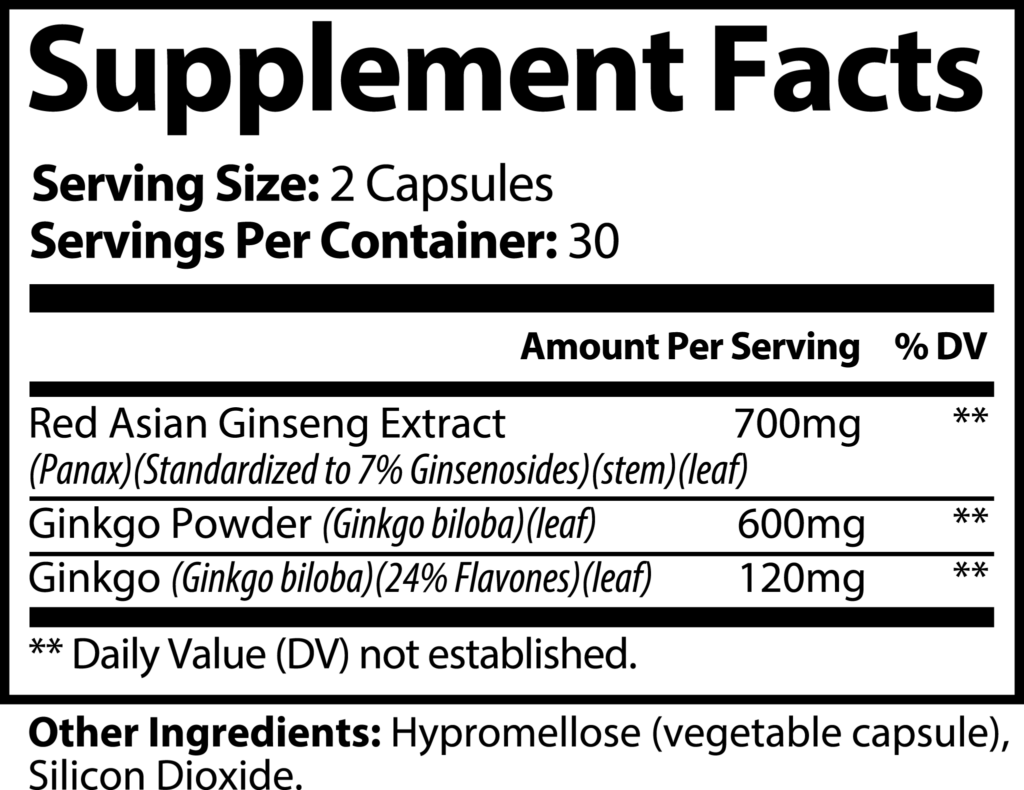
Red Asian ginseng (Panax ginseng). Standardized to ginsenosides, its best-supported senescence-relevant activity is that of the ginsenoside Rg3, which reduces senescence markers (p16, p21, p53, and SA-β-galactosidase) in human dermal fibroblasts across several independent studies [35]. (Some ginsenosides, including Rg5, have additionally been reported to act on EphA2 signaling, providing the ephrin-relevant rationale, though that specific link rests on more limited evidence than the senescence-marker data.) It serves as the ephrin/senescence companion in Strategy A, where its effective amount is better delivered separately than folded into a single combined dose.
Luteolin. A flavonoid (parsley, celery, chamomile) and the design’s agent for deliberate SRC-family-class coverage, with supporting in-vivo senomorphic data and partial STAT3 activity. Its cleanest validated kinase target is LIMK1, confirmed by pull-down binding assay [37]; beyond that it acts across the SRC-family flavonoid class rather than through a single selectively-validated member, so it is positioned as deliberate class-level SFK coverage rather than a single-target agent. It is the agent through which Strategy B replaces the weaker-evidence breadth of berberine and senna with intentional coverage of a senolytically central arm.
Honokiol (included as an optional addition, with note). A Magnolia-bark lignan that engages the SRC-family member LYN, validated by knockdown [36] — making it, on target grounds, the most directly on-thesis filler for the otherwise thin SRC-family-breadth arm. It is offered as an optional companion addition to Strategy B (analogous to ginseng’s companion role in Strategy A), at the level supplied by a standard Magnolia-bark extract, on the same evidentiary basis as the other contributing botanicals: reported target engagement at an established-use exposure. The accompanying note is twofold and stated plainly: the favorable safety record derives from low-honokiol whole-bark extracts rather than high-dose monomer, and the exposure at which LYN engagement is assured is less well characterized for sustained use than for the better-studied flavonoids. It is offered rather than required precisely for that reason — a typical Magnolia-bark extract contributing genuine LYN-axis support to an otherwise thin arm earns consideration, with its caveat visible.
Piceatannol (included as a contender, with note). A hydroxylated stilbene, structurally related to pterostilbene and a metabolite of resveratrol, that inhibits SYK and thereby addresses the SRC→FAK survival axis — an arm the rest of the pool does not reach [38]. Notably it also inhibits LCK, one of the lymphoid SRC-family members otherwise uncovered, giving it a second on-thesis touchpoint. It is carried in the pool as a contender rather than a recommended inclusion, with a dissuading note parallel to senna’s: its estrogenic activity is a real liability, and it lacks in-vivo senescence data. Its place in the table is a matter of completeness and consistency — a compound that reaches a genuine gap, evaluated honestly with its caveat attached, rather than silently dropped.
8.2 Two formulation strategies from one pool
Because the candidate pool spans both well-evidenced compounds and weaker, broader target coverage, a formulation can be assembled from it along more than one defensible line. Both lines below are coverage strategies — they differ not in how much coverage they seek but in which evidence they are willing to lean on — and both are presented as hypotheses to be tested rather than as a finished product.
Strategy A — widest coverage. This strategy seeks the broadest engagement of dasatinib’s target profile, consistent with the rationale below. It comprises the original eight-ingredient formulation — quercetin, fisetin, rutin, Sophora flavescens extract, pterostilbene, spermidine (the declared adjunct), and berberine and senna for the additional receptor-tyrosine-kinase breadth they provide, each carried with the qualification noted in its row — paired with red Asian ginseng for ephrin coverage. Because an effective ginsenoside amount is substantial, the ginseng is delivered as a companion component (a “Part B”) alongside the primary eight-ingredient combination (“Part A”) rather than compressed into a single capsule load, a practical two-part presentation that keeps each component within its established-use range. Strategy A most fully expresses the aim of engaging dasatinib’s whole validated target profile, accepting the weaker-evidence inclusions for the sake of breadth.
Strategy B — evidence-tightened single product. This strategy pursues coverage of the senolytically central arms while leaning only on the better-supported inclusions, and it fits within a single combined product. Its point of departure is a specific judgment about two compounds: senna’s mapped target rests on a single in-vitro report on PDGFR-β, and its laxative pharmacology is poorly matched to sustained use; berberine’s kinase-target evidence is computational and its strongest documented targets are more characteristic of a cancer-oriented profile than of the senolytic core, alongside its interaction liabilities. While both genuinely add breadth, the evidence behind that breadth is weak — so a distinct and defensible hypothesis is to set them aside and reinvest in the central arms with better-evidenced agents: luteolin for deliberate SRC-family-class coverage and Terminalia chebula for the ephrin arm at the conserved receptor site, the latter allowing the whole design to sit within one product. The shared core — quercetin, fisetin, rutin, Sophora flavescens extract, pterostilbene, and spermidine — carries identical amounts to Strategy A. Honokiol, which contributes LYN-axis support, may optionally be added to either strategy as a separate companion component (analogous to ginseng’s role in Strategy A), carried with the dose-and-exposure caveat noted in its entry; it is presented as an option rather than a core element because its assured-engagement dose is less well characterized than the other inclusions.
Table 2 expresses both strategies in customary human amounts; the shared-core ingredients are identical between them. The amounts are not claimed to be optimal or clinically validated; proportions were chosen for established single-ingredient human tolerability, not optimized as a combination, and no pharmacokinetic or pharmacodynamic data exist for either assembled set as a unit. The cautions column is integral to the design, not a disclaimer appended to it. Consistent with the reading of the pool above, the strategies draw on the better-evidenced compounds and treat the weaker contenders accordingly — the single-product strategy omits them entirely, and the wide-coverage strategy admits a few only for breadth and only with their limitations named.
Table 2. The two formulation strategies in customary human amounts, with cautions.
| Compound | Strategy A (max coverage) | Strategy B (single product) | Caution |
| Quercetin dihydrate | 600 mg | 600 mg | Generally well tolerated; mild antiplatelet activity |
| Fisetin | 500 mg | 500 mg | Low oral bioavailability; intermittent use studied |
| trans-Pterostilbene | 500 mg | 500 mg | Weak CYP3A4 inhibitor; mild antiplatelet activity (Section 9) |
| Rutin | 500 mg | 500 mg | Generally well tolerated |
| Ku Shen extract (std.) | 200 mg | 200 mg | Kurarinone hepatotoxicity at high exposure — standardization essential |
| Spermidine 3HCl (micronized) | 20 mg | 20 mg | Within demonstrated human safety margin (Section 9) |
| Berberine HCl | 250 mg | — | Weak (in-silico) target evidence, cancer-oriented profile; CYP3A4 / P-gp — see note |
| Senna ext. (std. 70% Sennoside B) | 15 mg | — | Stimulant laxative — unsuited to sustained use; single in-vitro report; weakest inclusion |
| Red Asian ginseng (std.) — Part B | ~600 mg (companion) | — | Ephrin coverage; delivered separately for dosing practicality |
| Luteolin | — | 100 mg | Deliberate SFK coverage; within supplemental range |
| Terminalia chebula (std.) | — | 500 mg | Ephrin coverage; senescence-context evidence pending |
| Honokiol (Magnolia bark ext.) — optional Part B | — | standard ext. (optional) | LYN-axis support; safety from low-honokiol bark ext.; engagement dose less characterized — see note |
Shared-core amounts are identical between the two strategies; the dashes indicate a compound not used in that strategy. Amounts are within ranges used in human studies or customary supplementation, and are set within their established safety ranges rather than pushed toward maximal potency, consistent with the precautionary standard of Section 9. The notes on senna, berberine, honokiol, and piceatannol are framed to make the basis of each inclusion explicit — senna and berberine are retained in Strategy A only for breadth and only with their limitations stated; honokiol and piceatannol reach genuine gaps but carry the caveats shown. The single-product Strategy B deliberately omits the weak-evidence and contender inclusions in favor of the better-supported central-arm agents.
8.3 Engaging dasatinib’s full validated target profile
A natural question for a botanical analogue is whether it should attempt to engage all of dasatinib’s targets or only a senolytically “central” subset. The design takes the broader position, for a specific and now better-supported reason. The clinical results that make D+Q the reference regimen were produced by dasatinib engaging its entire target profile, and no human trial has shown that the benefit derives only from a particular subset of those targets. Moreover, tyrosine-kinase inhibitors as a class — including imatinib, which shares several targets with dasatinib — have themselves been reported to carry senolytic or senescence-modulating activity, so targets shared across this drug class cannot be assumed irrelevant to senescence on the grounds of being shared. Engaging dasatinib’s validated target profile as faithfully as botanical coverage and safety allow therefore stays closest to the configuration with genuine human results, which is the reasoning behind the wide-coverage strategy (Strategy A). Two boundaries apply: breadth is always subordinate to safety, and where the evidence behind a given inclusion is weak, that weakness is stated rather than obscured — which is why the single-product strategy (Strategy B) trades some breadth for the inclusions with the strongest direct support. It bears emphasizing that the object being matched here is the target profile of dasatinib, a pharmaceutical; the formulation described in this paper is a nutraceutical combination intended to engage those same targets, not a drug and not a reproduction of one.
8.4 Pathway clashing and plateau: why one-corner-each coverage matters
Assembling many bioactive compounds into one formulation invites a real and often-overlooked risk, named here for clarity as pathway clashing and plateau. Pathway clashing is antagonism: compounds with opposing actions, or several agents crowding a single node, can blunt or cancel one another rather than add to one another. The toxicology and interaction literature documents this directly — nutrient and botanical combinations can interfere with one another, and single agents frequently display a U-shaped dose–response in which benefit appears within a window and is lost outside it [33]. Plateau is saturation: stacking additional agents onto a pathway already engaged yields diminishing returns, so that more ingredients do not mean more effect.
The constructive corollary is the principle that governs this design. Combining agents that act on the same pathway tends toward redundancy and diminishing returns, whereas combining agents across complementary pathways is what produces additive or synergistic benefit — the principle on which D+Q itself rests, dasatinib and quercetin covering distinct arms of the survival network, and which is echoed in rodent intervention studies where complementary combinations outperformed single agents [32]. Value comes not from the number of ingredients but from non-redundant coverage — each occupying a distinct corner of the target network rather than piling onto one.
This yields an observation worth stating directly, because it is a genuine and somewhat unexpected virtue of arriving at a formulation through target-coverage mapping rather than by assembling popular compounds — an approach that, absent a coverage rationale, tends to function as a marketing strategy for dietary-supplement formulations more than as a design principle. When a design is built instead by asking “which targets are covered, and which remain open,” the resulting formulation has non-redundancy built into it almost as a byproduct: because each compound is selected to fill a different node, the formulation naturally avoids the same-pathway pile-up that pathway clashing and plateau warn against. What looks like a simple accounting exercise (mapping targets to compounds) turns out to embody the very combination principle that the longevity-intervention literature supports, without that having been the explicit aim. It is a favorable consequence of the route taken, and it is part of why the design can defend itself against the reasonable concern that a multi-ingredient botanical is merely an indiscriminate stack.
9. Safety-First Design and Limitations
Safety is not a section appended to this design; it is a constraint that shaped the candidate pool, the doses, and the exclusions. Two features of the design follow directly from it.
Daily tolerability as a precautionary standard. Although the regimen is intended for intermittent hit-and-run use (Section 3), every compound and dose was selected through the more conservative lens of daily tolerability. The reason is that the design cannot know the physiology of any given user — hepatic or renal status, comorbidities, or concurrent medications — and a formulation that is safe taken intermittently by a healthy person could still aggravate a vulnerable individual’s condition. Holding every ingredient to a daily-safe standard builds in a margin against that uncertainty. It is a safety philosophy, not a dosing instruction.
Deliberate exclusions on safety grounds. Several compounds with genuine senotherapeutic appeal were excluded specifically because they fail this standard. Concentrated green-tea catechins (EGCG) and high-dose curcumin both carry documented hepatotoxicity signals that make them poor choices for a design held to daily tolerability. Piperlongumine, an in-vitro senolytic, is set aside on different grounds: it acts as a potent reactive-oxygen-species–generating cytotoxic agent studied chiefly for cancer at acute dosing, a mechanism outside the dasatinib-target thesis and not well-suited to a daily-tolerability framing. Honokiol, despite its on-thesis LYN activity, is offered only as an optional, caveated addition rather than a core inclusion, for the dose-and-exposure reasons noted (Section 8.1). Excluding or qualifying compounds whose mechanism or exposure profile does not fit the standard, rather than absorbing them for the sake of coverage, is itself an application of the design’s priorities.
Interaction reasoning. Because the analogue is intended to be paired with quercetin in parallel to D+Q — and because some users may combine it with other agents — documented interactions are part of the safety picture. Dasatinib itself is primarily metabolized by CYP3A4, so co-administered CYP3A4 modulators can alter its exposure; the stilbene pterostilbene is a weak CYP3A4 inhibitor [31], a real but modest consideration that illustrates why combination effects must be checked empirically rather than assumed (Section 10). Berberine’s CYP3A4 and P-glycoprotein activity is a stronger interaction signal and part of why its inclusion is qualified. Several pool compounds (quercetin, pterostilbene) have mild antiplatelet activity, relevant to users on anticoagulant or antiplatelet therapy. None of these is disqualifying for the intended use, but each is disclosed.
9.1 Limitations
- Evidence tier. Much of the supporting data is in-vitro; some links (notably berberine’s kinase targets) are in-silico, the weakest tier. In-vitro or computational activity does not establish an effect in a living human at an achievable oral dose.
- Partial and uneven coverage. The pool engages a subset of dasatinib’s targets; the lymphoid SRC-family members and the SRC→FAK axis are not covered by any safety-qualifying botanical (Section 6), and the design is an analogue, not a reproduction.
- No formulation-level data. Neither assembled strategy has been studied as a unit. The human and animal evidence cited concerns individual compounds or the separate D+Q regimen. Inter-compound interactions and combination pharmacokinetics are unknown.
- Heterogeneous, sometimes oncology-derived evidence. Several target activities were characterized in cancer-cell models; relevance to senescent-cell biology is inferred from the documented overlap in survival wiring, not always directly demonstrated.
- Pragmatic dosing. Amounts reflect customary single-ingredient human use rather than optimization for the combination; the amounts positioned toward the higher end of typical use nonetheless remain within established single-ingredient safety ranges.
- Mechanistic is not clinical. Engaging a pathway implicated in senescence is a hypothesis for benefit, not a demonstration of one.
10. An Open Question: Can Expression-Similarity Establish a Senolytic Hypothesis?
It is worth closing the technical argument by returning to the alternative discovery route introduced in Section 1, because it raises a question that bears on this whole class of work. The approach of Meiners and colleagues identifies natural compounds whose transcriptional signatures resemble dasatinib’s, on the reasonable premise that a compound which shifts gene expression the way dasatinib does may share its effects [14]. It is a powerful and systematic way to nominate candidates.
There is, however, a specific reason to ask whether such a match can establish a senolytic hypothesis in particular. An expression-similarity signature is typically a short-term transcriptional readout, often gathered in proliferating cells; senolysis is a multi-day viability outcome — the selective death of senescent cells over time. A compound could reproduce a drug’s short-term expression fingerprint without reproducing its capacity to kill senescent cells, and a genuine senolytic might not present as a close transcriptional match in a proliferating-cell assay. If so, transcriptional similarity — however systematic — may be measuring an endpoint that does not track the senolytic phenotype, identifying compounds that resemble dasatinib in the short term without establishing that they act as senolytics where it matters.
This is not a criticism of the gene-expression approach, whose unbiased breadth is a genuine strength and whose convergence on the same question reinforces the problem’s legitimacy. It is a question about what a class of method can establish — and it cuts toward the present work as well, since it is part of why this design rests on target engagement rather than signature similarity.The question is empirical and therefore testable, and testing it directly — whether transcriptional-similarity to dasatinib actually tracks the senolytic phenotype, by reproducing the gene-expression-similarity method and asking whether its nominations predict selective senescent-cell killing in functional assays — is a well-defined next study that the present framework motivates.
11. Validation Roadmap
The framework’s value to other investigators is that each claim sits at a known evidence tier and has a defined experiment that would advance it. The steps below apply to both formulation strategies; they are ordered to begin with the lowest-cost, highest-leverage test.
- Benchmark against the gene-expression approach (first). Cross-reference the candidate pool against transcriptomic-similarity hits [14] — and, informed by Section 10, do so with explicit attention to whether signature similarity actually predicts senescent-cell viability. As an in-silico step it is the immediate, lowest-barrier next action, and it both situates this design against the independent method and tests the open question directly.
- Test each formulation as a unit. Evaluate the assembled strategies in senescent-cell models for additivity, synergy, or antagonism — the combination question made empirical — then in an aged-animal model for senescent-cell-burden and healthspan endpoints before any efficacy framing. A murine study pairing lifespan or healthspan endpoints with direct senescent-cell-burden measurement, so that a senolytic mechanism can be distinguished from a senomorphic one, is the natural capstone of this stage.
- Characterize combination pharmacokinetics. Determine whether the chosen amounts produce co-exposure at relevant tissues, given divergent bioavailabilities (notably fisetin and pterostilbene), and whether the disclosed interactions (Section 9) materially alter exposure.
A formulation that passed these stages would have earned an efficacy claim. Until then, this is a design rationale.
12. Conclusion
Senescent cells accumulate with age and drive much of the chronic inflammation behind age-related decline; clearing or quieting them is among the most promising routes to extending healthspan. The reference way to do it pharmacologically, dasatinib plus quercetin, was discovered by first identifying the survival pathways senescent cells depend on and then choosing drugs that disable them. This paper asks a direct question: can the same logic be run with plants — starting from the molecular targets of dasatinib and assembling naturally occurring compounds, at doses already used in people, that engage those targets to serve as a botanical analogue paired with quercetin?
The answer it offers is a graded pool of candidate compounds, each tied to a named target at a stated level of evidence, from which two formulation strategies follow: one that engages the broadest span of dasatinib’s target profile, and one that trades breadth for the strongest direct evidence in a single product. The design is deliberately honest about its limits. It engages only part of dasatinib’s target architecture; two arms cannot at present be matched by any botanical that meets its safety standard, and the paper says so rather than concealing it. It is built for intermittent use yet selected against the stricter test of daily tolerability, because the people who might use it cannot be assumed healthy. And it excludes several effective compounds outright on safety grounds, treating that exclusion as a feature of the design rather than a gap in it.
Two commitments run through the work. The first is to engage dasatinib’s full validated target profile rather than a theorized fraction of it, since the human results that justify the entire effort came from the drug acting across its whole profile. The second is to hold honesty about evidence as a first-order requirement: to grade each target separately, to name what is unproven as clearly as what is supported, and to distinguish a compound that merely resembles dasatinib’s effects from one that engages its targets. That last distinction frames the question the paper leaves open — whether resembling dasatinib’s short-term genetic signature can establish senolytic support at all — and points to the work that would answer it.
What is offered here is therefore a method, a graded set of compounds, and two testable formulation strategies — hypotheses. The path from here is experimental, and it is specified: a low-cost computational benchmark first, then testing the assembled formulations in senescent cells and aged animals, with mechanism measured rather than assumed — the relevant question being not whether the formulation reproduces a drug’s effect, but whether it provides measurable senolytic support, slowing SASP signaling and assisting the clearance of senescent cells. Underlying the entire effort is a conviction worth stating directly: that the most consequential discoveries are often not the findings themselves but the translation of those findings into protocols and formulations that people can actually obtain and use. A validated framework that yields an accessible, honestly-bounded nutraceutical contributes to that translation in a way that a result confined to the literature does not. The rate-limiting step in turning senolytic science into something people can use is less the next compound than the next measurement, and this paper is written to make that measurement clear.
References
1. Niedernhofer LJ, Robbins PD. Senotherapeutics for healthy ageing. Nat Rev Drug Discov. 2018;17(5):377.
2. Robbins PD, Jurk D, Khosla S, Kirkland JL, LeBrasseur NK, Miller JD, et al. Senolytic drugs: reducing senescent cell viability to extend health span. Annu Rev Pharmacol Toxicol. 2021;61:779–803. PMCID: PMC7790861.
3. López-Otín C, Blasco MA, Partridge L, Serrano M, Kroemer G. Hallmarks of aging: an expanding universe. Cell. 2023;186(2):243–278.
4. Zhu Y, Tchkonia T, Pirtskhalava T, Gower AC, Ding H, Giorgadze N, et al. The Achilles’ heel of senescent cells: from transcriptome to senolytic drugs. Aging Cell. 2015;14(4):644–658. PMCID: PMC4531078.
5. Hopkins AL. Network pharmacology: the next paradigm in drug discovery. Nat Chem Biol. 2008;4(11):682–690. PMID: 18936753.
6. Karaman MW, Herrgard S, Treiber DK, Gallant P, Atteridge CE, Campbell BT, et al. A quantitative analysis of kinase inhibitor selectivity. Nat Biotechnol. 2008;26(1):127–132. PMID: 18183025.
7. Montero JC, Seoane S, Ocaña A, Pandiella A. Inhibition of Src family kinases and receptor tyrosine kinases by dasatinib: possible combinations in solid tumors. Clin Cancer Res. 2011;17(17):5546–5552. PMID: 21670084.
8. Montani D, Bergot E, Günther S, et al. Pulmonary arterial hypertension in patients treated by dasatinib. Circulation. 2012;125(17):2128–2137.
9. Justice JN, Nambiar AM, Tchkonia T, LeBrasseur NK, Pascual R, Hashmi SK, et al. Senolytics in idiopathic pulmonary fibrosis: results from a first-in-human, open-label, pilot study. EBioMedicine. 2019;40:554–563. PMID: 30616998.
10. Hickson LJ, Langhi Prata LGP, Bobart SA, et al. Senolytics decrease senescent cells in humans: preliminary report from a clinical trial of dasatinib plus quercetin in individuals with diabetic kidney disease. EBioMedicine. 2019;47:446–456. PMID: 31542391.
11. Gonzales MM, Garbarino VR, Kautz TF, et al. Senolytic therapy to modulate the progression of Alzheimer’s disease (SToMP-AD). 2023. PMCID: PMC10168460.
12. Chaib S, Tchkonia T, Kirkland JL. Cellular senescence and senolytics: the path to the clinic. Nat Med. 2022;28(8):1556–1568.
13. Senolytic therapy alleviates physiological human brain aging [brain-organoid study]. Nat Aging. 2023.
14. Meiners F, Hinz B, Boeckmann L, Secci R, Sueto S, Kuepfer L, Fuellen G, Barrantes I. Computational identification of natural senotherapeutic compounds that mimic dasatinib based on gene expression data. Sci Rep. 2024;14(1):6286. PMID: 38491064; PMCID: PMC10943199.
15. Baier A, Szyszka R. Compounds from natural sources as protein kinase inhibitors. Biomolecules. 2020;10(11):1546. PMID: 33198400.
16. Carpenter VJ, Saleh T, Gewirtz DA, et al. Nutritional senolytics and senomorphics: implications for immune cell metabolism and aging. Front Nutr. 2022;9:958563.
17. Costa LG, Garrick JM, Roquè PJ, Pellacani C. Mechanisms of neuroprotection by quercetin: counteracting oxidative stress and more. Oxid Med Cell Longev. 2016;2016:2986796. PMID: 26904161.
18. Chen YC, Chang CN, Hsu HC, et al. Sennoside B inhibits PDGF receptor signaling and cell proliferation induced by PDGF-BB in human osteosarcoma cells. Life Sci. 2009;84(25–26):915–922. PMID: 19393247.
19. Yousefzadeh MJ, Zhu Y, McGowan SJ, et al. Fisetin is a senotherapeutic that extends health and lifespan. EBioMedicine. 2018;36:18–28. PMID: 30279143.
20. Stancu AL. AMPK activation can delay aging. Discoveries (Craiova). 2015;3(4):e53. PMID: 32309575.
21. Rossini E, Gargaro M, Scalisi G, et al. A back-door insight into the modulation of Src kinase activity by the polyamine spermidine. eLife. 2023;12:e85872. PMCID: PMC10328509.
22. Madeo F, Eisenberg T, Pietrocola F, Kroemer G. Spermidine in health and disease. Science. 2018;359(6374):eaan2788.
23. Kawakami Y, et al. Pterostilbene downregulates BCR/ABL and induces apoptosis of T315I-mutated BCR/ABL-positive leukemic cells. Sci Rep. 2022;12:702. PMCID: PMC8758722.
24. Ren G, Rimando AM, Mathews ST. AMPK activation by pterostilbene contributes to suppression of hepatic gluconeogenic gene expression. Biochem Biophys Res Commun. 2018;498(3):640–645. PMID: 29524400.
25. Park YM, Park SN. Inhibitory effect of lupeol on MMPs expression using aged fibroblast through repeated UVA irradiation. Photochem Photobiol. 2019;95(2):587–594. PMID: 30257039.
26. Singh NK, Dhanasekaran M, Kumar AHS. Pharmacology of berberine and its metabolites: is it the nature’s Ozempic or imatinib? Arch Pharmacol Ther. 2023;5(1):67–81.
27. Lee YS, Kim WS, Kim KH, et al. Berberine activates AMP-activated protein kinase with beneficial metabolic effects in diabetic and insulin-resistant states. Diabetes. 2006;55(8):2256–2264.
28. Elsayed HE, Ebrahim HY, Mohyeldin MM, et al. Rutin as a novel c-Met inhibitory lead for the control of triple-negative breast malignancies. Nutr Cancer. 2017;69(8):1256–1271. PMID: 29083228.
29. Liu H, Xu Q, Wufuer H, et al. Rutin is a potent senomorphic agent to target senescent cells and can improve chemotherapeutic efficacy. Aging Cell. 2024;23(1):e13921.
30. Sen B, Peng S, Saigal B, Williams MD, Johnson FM. Distinct interactions between c-Src and c-Met in mediating resistance to c-Src inhibition in head and neck cancer. Clin Cancer Res. 2011;17(3):514–524. PMID: 21106725.
31. Pezzuto A, et al. Trans-resveratrol, but not other natural stilbenes occurring in food, carries the risk of drug-food interaction via inhibition of cytochrome P450 enzymes (pterostilbene a weak CYP3A4 inhibitor). Toxicol Rep / Food Chem Toxicol. 2018.
32. Zhu Y, Doornebal EJ, Pirtskhalava T, et al. New agents that target senescent cells: the flavone, fisetin, and the BCL-XL inhibitors A1331852 and A1155463. Aging. 2017;9(3):955–963. PMCID: PMC5391241.
33. Wooltorton E. Too much of a good thing? Toxic effects of vitamin and mineral supplements. CMAJ. 2003;169(1):47–48. PMCID: PMC164945.
34. Pinto MC, Mata AM, et al. (Mohamed et al.) The ayurvedic decoction of Terminalia chebula and its purified compounds modulate the EphA2–ephrinA1 system. (2011); and Manosroi A, et al. Metabolite profiling of polyphenols in a Terminalia chebula Retzius ayurvedic decoction and evaluation of its chemopreventive activity — both reversibly inhibit EphA2–ephrinA1 binding. J Ethnopharmacol / Food Chem Toxicol. 2011; 2013. PMID: 23506992.
35. Lee H, et al. Ginsenoside Rg3 attenuates cellular senescence in human dermal fibroblasts (reduced SA-β-gal, p53/p21); 20(S)-Rg3 reverses replicative senescence via Akt-mTOR-sirtuin signaling. PMID: 32148417; PMCID: PMC8351519. See also ginsenoside suppression of p16/p21/p53 in stress-induced senescence, PMCID: PMC6151485.
36. Dai X, Li RZ, Jiang ZB, et al. Honokiol inhibits proliferation, invasion and induces apoptosis through targeting Lyn kinase in human lung adenocarcinoma cells (Lyn knockdown attenuates the effect). Front Pharmacol. 2018;9:558. DOI: 10.3389/fphar.2018.00558.
37. Li C, et al. Targeting LIMK1 with luteolin inhibits the growth of lung cancer in vitro and in vivo (pull-down–confirmed LIMK1 kinase inhibition); luteolin additionally shows broad flavonoid SRC-family-class and senomorphic activity. PMCID: PMC8184676.
38. Oliver JM, et al. Piceatannol, a Syk-selective tyrosine kinase inhibitor (also inhibits p56-Lck), attenuated antigen challenge of guinea pig airways in vitro. Eur J Pharmacol. 2002;448(2–3). PMID: 12044809.
Methodology paper / design rationale. Evidence tiers are stated per claim; in-vitro and in-silico findings predominate and do not establish clinical effect. No formulation has been evaluated as a unit. Not medical advice; not evaluated by the FDA; not intended to diagnose, treat, cure, or prevent any disease.