
Apr
17
MDS Labs® Introduces NEUROmergence®, a Botanical Longevity Supplement Informed by Senolytic Pathway Research
0 Comments
MDS Labs® Launches NEUROmergence®, a Botanical Longevity Formula Reverse-Engineered from a Senolytic Drug Regimen’s Target Map
VALENCIA, CA — Cellular senescence has become one of the most closely watched frontiers in aging science. As the body ages, worn-out senescent cells, often referred to as “zombie” cells, accumulate instead of clearing out, and a fast-growing body of research is examining what role they play in how tissues age — and whether clearing or quieting them may support healthy aging. The compounds being studied to do this, known as senotherapeutics, fall into two groups: senolytics and senomorphics.
One novel approach to clearing these cells, and the focus of several recent studies, is the D+Q combination, which pairs dasatinib — a prescription leukemia medication, approved in 2006, that works by inhibiting tyrosine kinases — with quercetin, an antioxidant flavonoid, available at most vitamin shops. D+Q has become one of the most active starting points in senolytic research, and early human studies have examined its effect on markers of senescent cells. Research into the combination remains ongoing.
NEUROmergence® takes that research as a blueprint — and runs it in an entirely natural direction. Rather than starting from a trend, MDS Labs® began with the documented molecular targets of dasatinib and worked backward, building the formula compound by compound from the broader published literature: mapping the kinases and signaling pathways dasatinib acts on, then selecting well-researched botanical compounds reported to act on those same targets, at amounts consistent with established human use. A 2020 review of plant-derived protein kinase inhibitors served as an early starting point; and computational target prediction helped fill gaps where direct studies were limited.
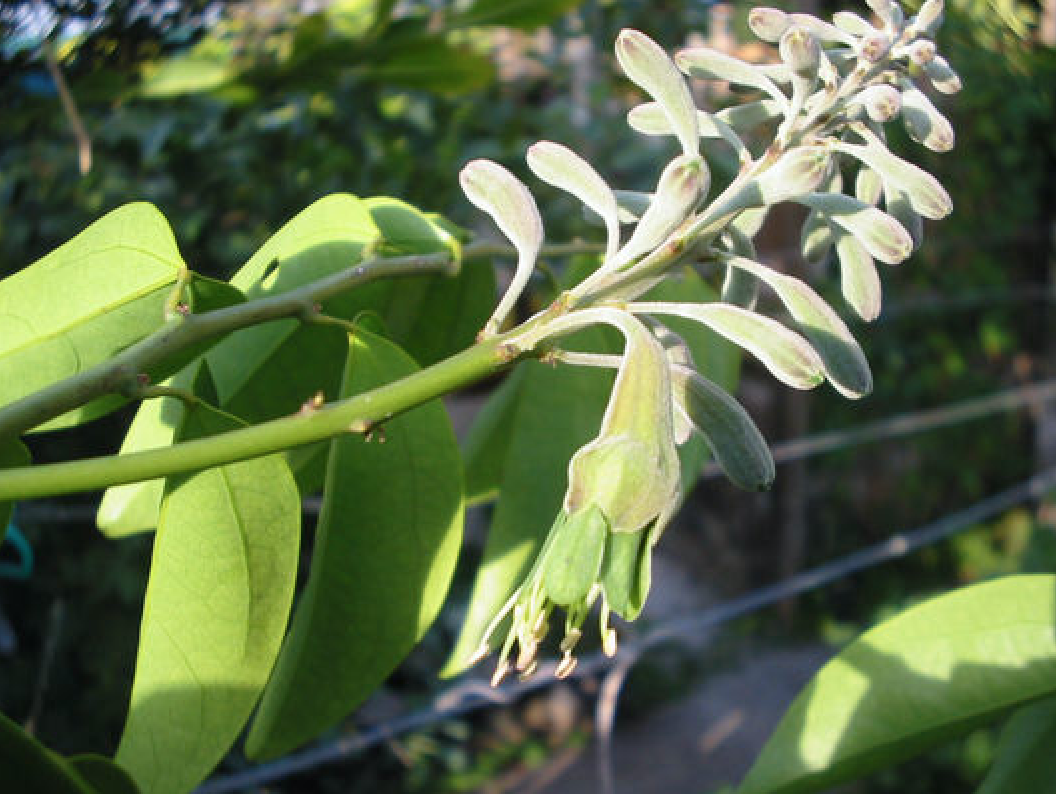
The result is a dietary supplement that combines eight botanical compounds: quercetin, fisetin, spermidine, pterostilbene, rutin, berberine, a standardized Sophora flavescens (Ku Shen) extract providing oxymatrine and lupeol — fractionated and standardized in-house — and a standardized senna extract (sennoside B). NEUROmergence® includes 500 mg of quercetin, one of the two compounds in the original D+Q research. Each ingredient was chosen for a well-documented safety profile and on the basis of published research examining its activity on senolytic- and senomorphic-related pathways, including BCR-Abl, the SRC family (SRC, FYN, LYN), BCL-2, c-KIT, CSF1R, PDGFR-β, c-Met, and CDK2, alongside research on the activation of AMPK.*
“We didn’t start with a claim and look for ingredients to fit it — we started with the target map of a senolytic regimen and asked which well-studied plant compounds had been examined on those same targets,” said Adam Geller, President and CEO of MDS Labs®. “The forthcoming report shows that work in full, including where the evidence is strong and where it isn’t.”
NEUROmergence® follows a simple, intermittent two-day dosing approach and is now available for purchase directly to consumers at mdslabs.shop, without a prescription.
MDS Labs® is preparing a full research report documenting the complete development process behind NEUROmergence® — the target-mapping framework, the published evidence behind each compound graded by strength, and a candid accounting of which of dasatinib’s targets the botanical set does and does not cover. The report will present the formula as a research-informed design hypothesis rather than a demonstrated therapy, and is expected to be published on the lab’s website.
About MDS Labs®
MDS Labs® is a research-focused dietary supplement company, part of the Reventek® family of brands, formulating products from carefully sourced, standardized ingredients.
These statements have not been evaluated by the Food and Drug Administration. This product is not intended to diagnose, treat, cure, or prevent any disease.
Categories:
Gallery, Uncategorized