
Jul
05
Pterostilbene: The Resveratrol Analogue That Actually Gets Absorbed
0 Comments
Resveratrol has the reputation. Pterostilbene has the absorption. In a head-to-head oral comparison the two compounds were roughly 20 percent and 80 percent bioavailable respectively, and almost everything interesting about pterostilbene follows from that four-fold gap.
The short version
Resveratrol is the most famous molecule in longevity research. It is also one of the most poorly absorbed. Swallow it and the body conjugates most of it on the first pass through the liver, so the amount that reaches your tissues is a small fraction of what was in the capsule. A great deal of resveratrol research is really research into a compound that struggles to show up.
Pterostilbene is the same molecular skeleton with two small changes. Where resveratrol carries two hydroxyl groups, pterostilbene carries two methoxyl groups. That swap does two things at once: it removes the handles the liver uses to conjugate the molecule, and it makes the molecule more fat-soluble, so it crosses membranes more readily, including the blood-brain barrier.
The consequence is measurable. Given by mouth at equivalent doses, resveratrol was about 20 percent bioavailable and pterostilbene about 80 percent. A review of both compounds in brain aging concluded that pterostilbene appears more effective than resveratrol against age-related changes in the brain, and attributed the difference to exactly that structural distinction.
What this adds up to: pterostilbene is not an alternative to resveratrol so much as the version of it that arrives. It has been through a randomized, placebo-controlled human safety trial at doses up to 250 mg a day, which is more human data than most compounds in this category can claim. Nearly all of this hangs on a small structural difference that is easy to overlook on a label.
What makes it unusual
Most of the compounds discussed in aging research fail on delivery rather than on mechanism. A molecule does something striking in a dish at 50 micromolar, and then oral dosing produces plasma concentrations two orders of magnitude lower and the effect never appears. The gap between in vitro activity and achievable plasma concentration is where most candidates die, and it is the first thing we check.
Pterostilbene is one of the few natural compounds where that gap is narrow by design. In a 14-day oral study in rats comparing equimolar doses, resveratrol was approximately 20 percent bioavailable and pterostilbene approximately 80 percent. Plasma levels of both the parent compound and its sulfate metabolite were markedly higher for pterostilbene, and the authors concluded that equimolar doses of pterostilbene should produce greater biological activity in a living animal than resveratrol does (Kapetanovic et al., 2011).
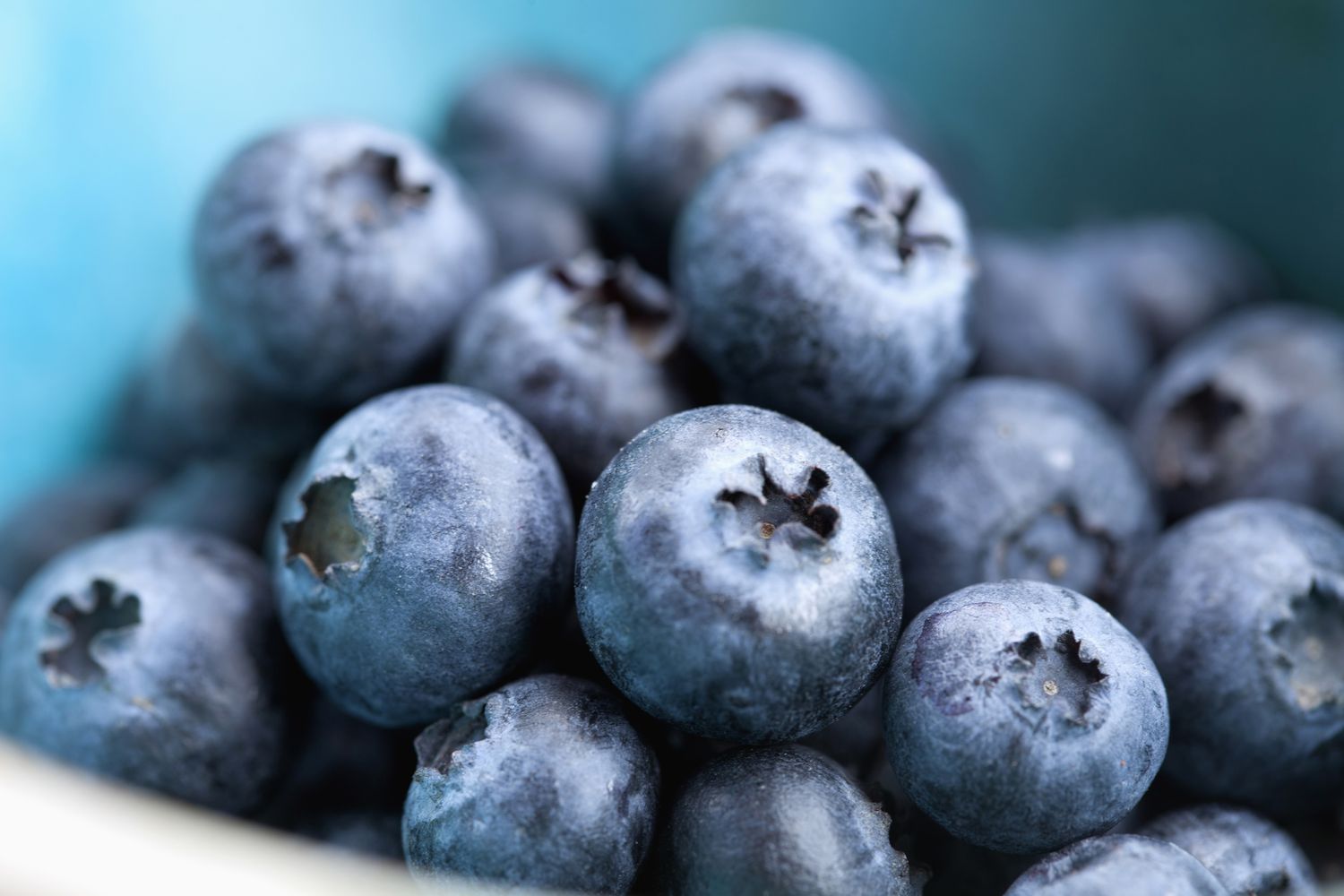
Pterostilbene occurs naturally in blueberries and in heartwood from several Pterocarpus species. The quantity in food is small enough that dietary intake is not a serious route to the amounts used in research.
Who it suits
It suits anyone who has considered resveratrol and wants the same chemistry without the absorption problem. That is the clearest case for it, and the pharmacokinetic comparison above is the whole argument.
It also suits people whose interest in aging is weighted toward the brain. Lipophilicity is what gets a molecule across the blood-brain barrier, and pterostilbene’s two methoxyl groups make it markedly more lipophilic than resveratrol. Both compounds cross; the review literature holds that pterostilbene does so to better effect (Lange and Li, 2018).
And it suits people who want something with human safety data behind it rather than a compound known only from animal work, which is unusual in this category and worth weighing.
What it is known to do
A prospective, randomized, double-blind, placebo-controlled trial enrolled 80 adults with elevated cholesterol and assigned them to pterostilbene 125 mg twice daily, 50 mg twice daily, 50 mg with grape extract twice daily, or placebo, for six to eight weeks. Biochemical safety markers covering hepatic, renal and glucose function showed no adverse treatment effect, and there were no significant self-reported or major adverse drug reactions. The authors concluded that pterostilbene is generally safe for use in humans at up to 250 mg per day (Riche et al., 2013).
That trial was designed to answer a safety question rather than an efficacy one, and it should be read as doing exactly that. Its value is that it establishes a tolerated dose range in people, which is the information most natural compounds in this field are missing entirely.
On the aging side, the accumulated work in cellular and mammalian models associates both stilbenes with protection against age-related brain changes, with pterostilbene the more effective of the two (Lange and Li, 2018). The same review is candid that intervention trials in people with existing cognitive impairment have not demonstrated therapeutic benefit, and calls for longer trials using the higher-bioavailability preparations. That is a reasonable reading of where the evidence sits.
How it does it
The methoxylation is the mechanism, in the sense that it governs everything downstream. Resveratrol’s hydroxyl groups are the sites where intestinal and hepatic enzymes attach glucuronide and sulfate groups, and that conjugation is what clears most of an oral dose before it reaches circulation. Replacing two of those hydroxyls with methoxyl groups removes two of the targets. Less of the molecule is conjugated, more survives the first pass, and more reaches tissue.
The same change raises lipophilicity, which affects distribution rather than absorption. A more fat-soluble molecule partitions into membranes more readily and crosses the blood-brain barrier more easily. One structural edit therefore improves both how much gets in and where it can go.
Downstream of delivery, pterostilbene has been examined for antioxidant activity and for AMPK activation, the energy-sensing pathway that reports low cellular fuel and switches the cell from building to maintenance and recycling. AMPK sits adjacent to the mTOR and autophagy machinery that most of the longevity field is organized around.
How this relates to aging
Deregulated nutrient sensing and loss of proteostasis are both among the hallmarks of aging, the processes current biology holds responsible for tissue decline over time (López-Otín et al., 2023). AMPK activation is one of the recognized points of entry into that system, which is why it recurs across compounds that otherwise have little in common.
The more useful point is the one about delivery. The hard problem in this field is rarely identifying a mechanism; it is getting a molecule to the tissue at a concentration where the mechanism operates. Pterostilbene is a case where a small structural change solved that problem, and it is a reasonable model for what to look for in other compounds. The greatest practical gains in this area tend to come from access and absorption rather than from new discoveries.
Our pterostilbene
MDS Labs supplies pterostilbene as 400 mg capsules and as a pure bulk powder. Identity and potency are confirmed by HPLC against authenticated reference standards on every lot. Our other research articles apply the same appraisal to other compounds.
One practical note
In human liver microsomes, pterostilbene inhibited CYP2C9 with an IC50 of 0.12 µM, far more strongly than it inhibited CYP1A2 or CYP2D6, and the authors called for clinical studies to establish whether this translates in people (Albassam et al., 2021). CYP2C9 clears warfarin, phenytoin, several sulfonylureas and most NSAIDs, so anyone taking those should raise pterostilbene with their prescriber first; the finding is in vitro and unconfirmed in people, but the conversation costs nothing.
Citations
[1] Kapetanovic IM, Muzzio M, Huang Z, Thompson TN, McCormick DL. Pharmacokinetics, oral bioavailability, and metabolic profile of resveratrol and its dimethylether analog, pterostilbene, in rats. Cancer Chemother Pharmacol. 2011;68(3):593-601. PMID 21116625
[2] Lange KW, Li S. Resveratrol, pterostilbene, and dementia. Biofactors. 2018;44(1):83-90. PMID 29168580
[3] Riche DM, McEwen CL, Riche KD, et al. Analysis of safety from a human clinical trial with pterostilbene. J Toxicol. 2013;2013:463595. PMID 23431291
[4] López-Otín C, Blasco MA, Partridge L, Serrano M, Kroemer G. Hallmarks of aging: an expanding universe. Cell. 2023;186(2):243-278. PMID 36599349
[5] Albassam AA, Ahad A, Alsultan A, et al. The inhibition of CYP1A2, CYP2C9, and CYP2D6 by pterostilbene in human liver microsomes. Pharmazie. 2021;76(4):155-158. PMID 33849700
These statements have not been evaluated by the Food and Drug Administration. This product is not intended to diagnose, treat, cure or prevent any disease. Consult a healthcare professional before use, particularly if you take prescription medication.
Categories:
Research Articles