
Nov
08
TSG and He Shou Wu: A 17 Percent Lifespan Extension, and the Isomer That Explains the Liver Reports
0 Comments
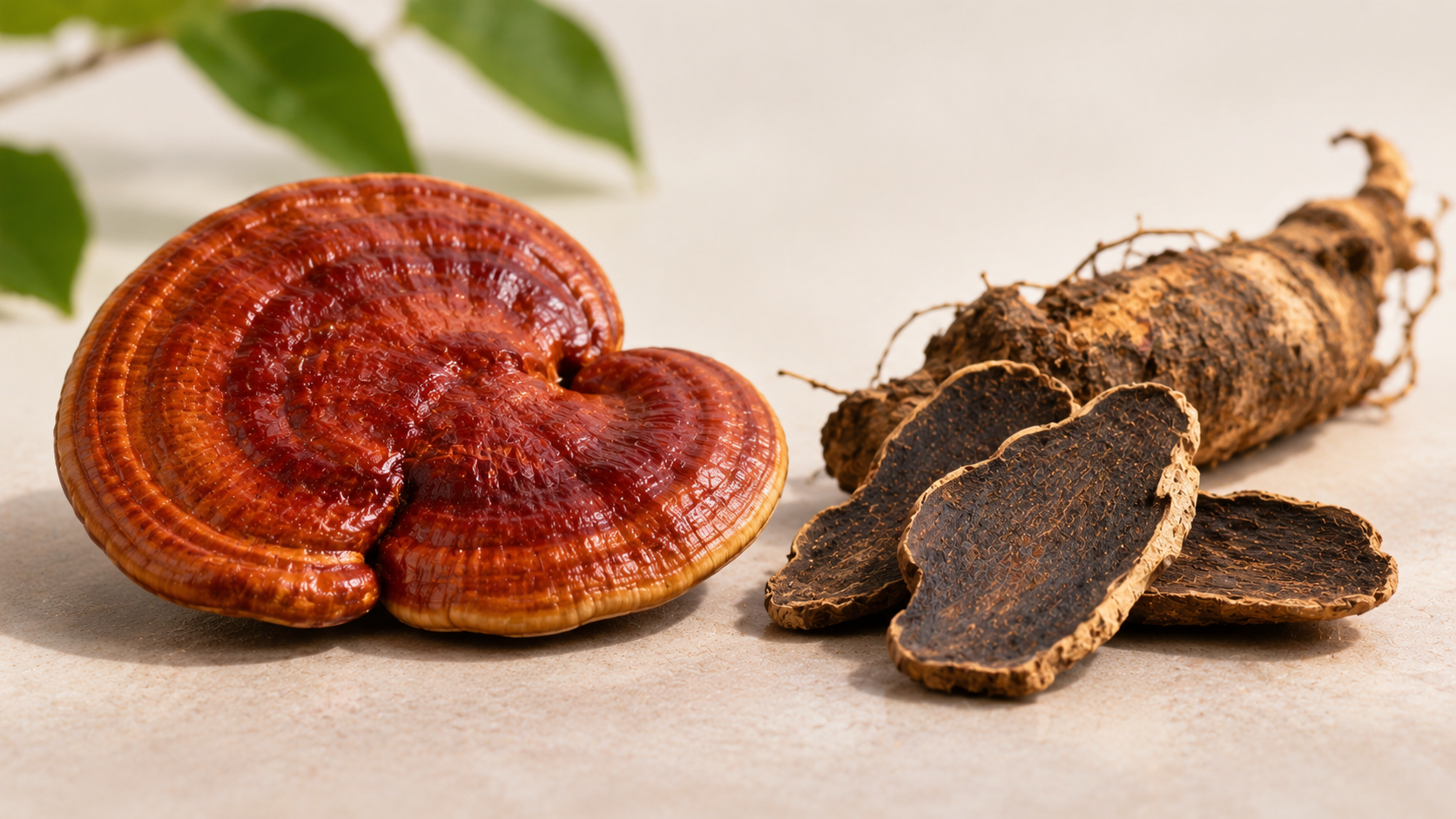
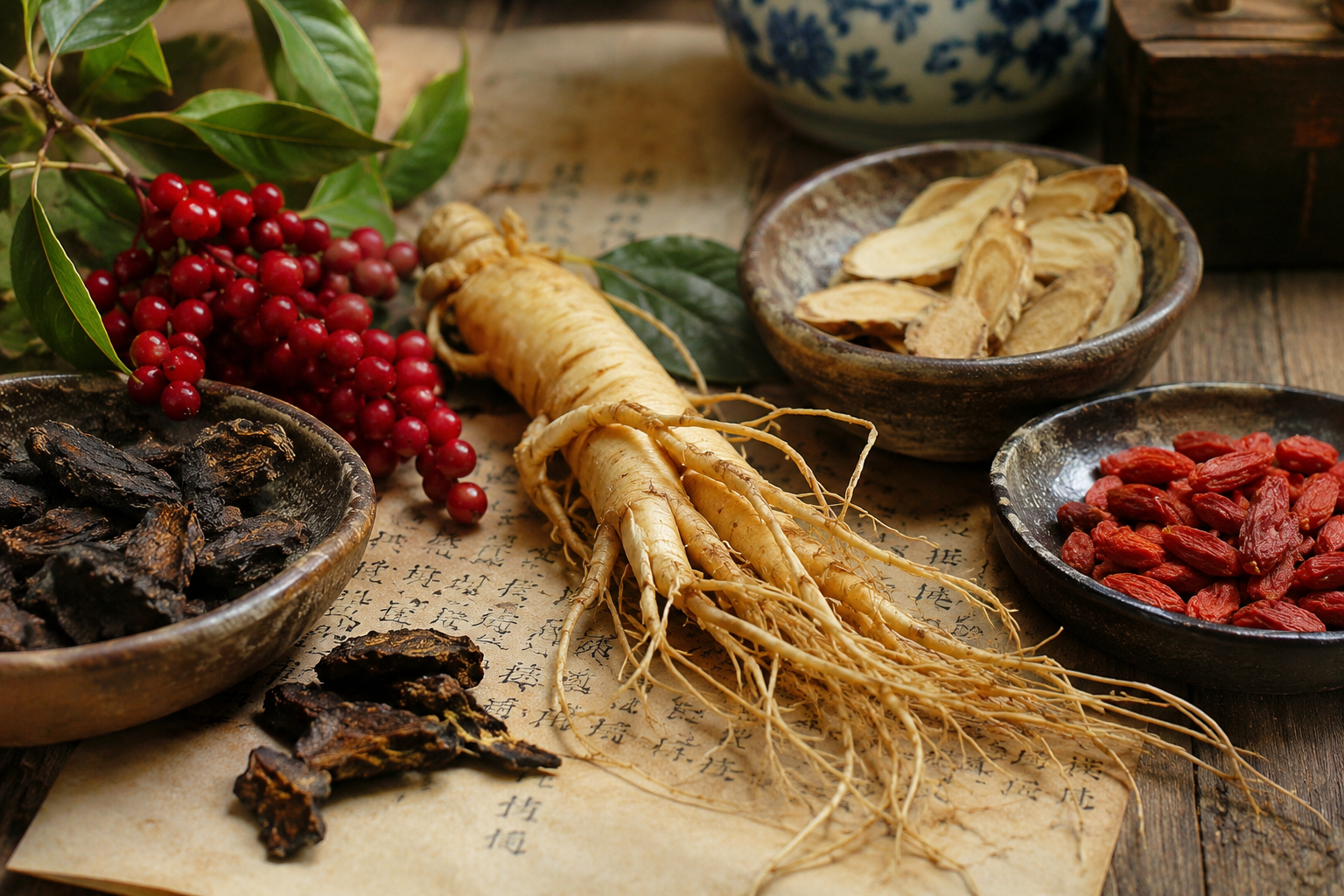
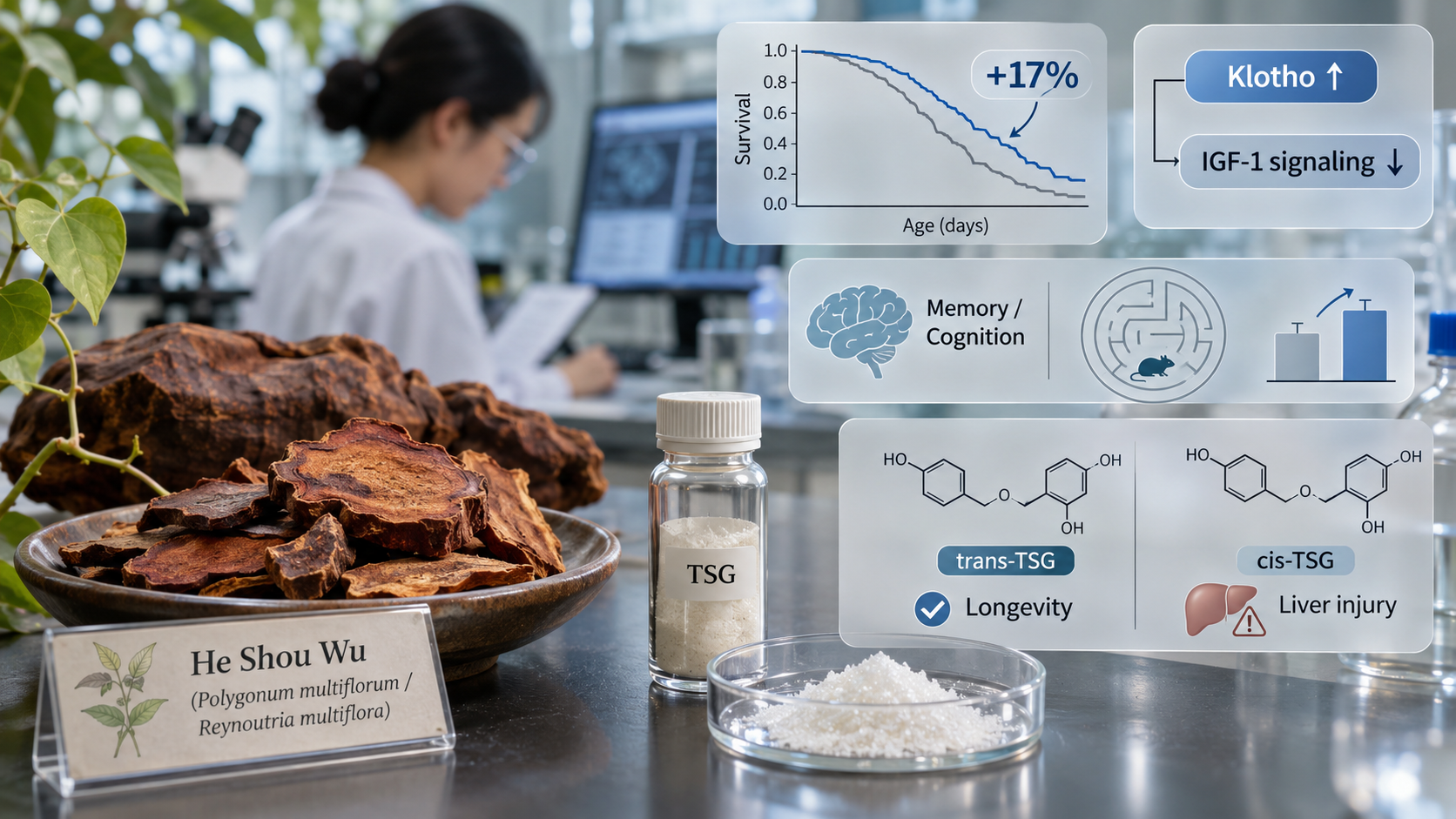
He Shou Wu has carried a reputation for prolonging life for centuries. Its signature compound extended the lifespan of mice by 17 percent, working through two of the best understood longevity pathways in biology. The same herb is also the most common cause of herb-induced liver injury, and the reason turns out to be a different shape of the same molecule.
The short version
There is a protein called klotho, named after the Greek fate who spins the thread of life. Mice bred without it age very fast and die early. Mice given extra live longer. It is one of the few proteins where the link to aging is that direct.
There is also a signalling system built around insulin and a close relative called IGF-1. Turning that signalling down extends life in worms, flies and mice. It is the most conserved longevity pathway anyone has found, meaning it works the same way across species separated by hundreds of millions of years.
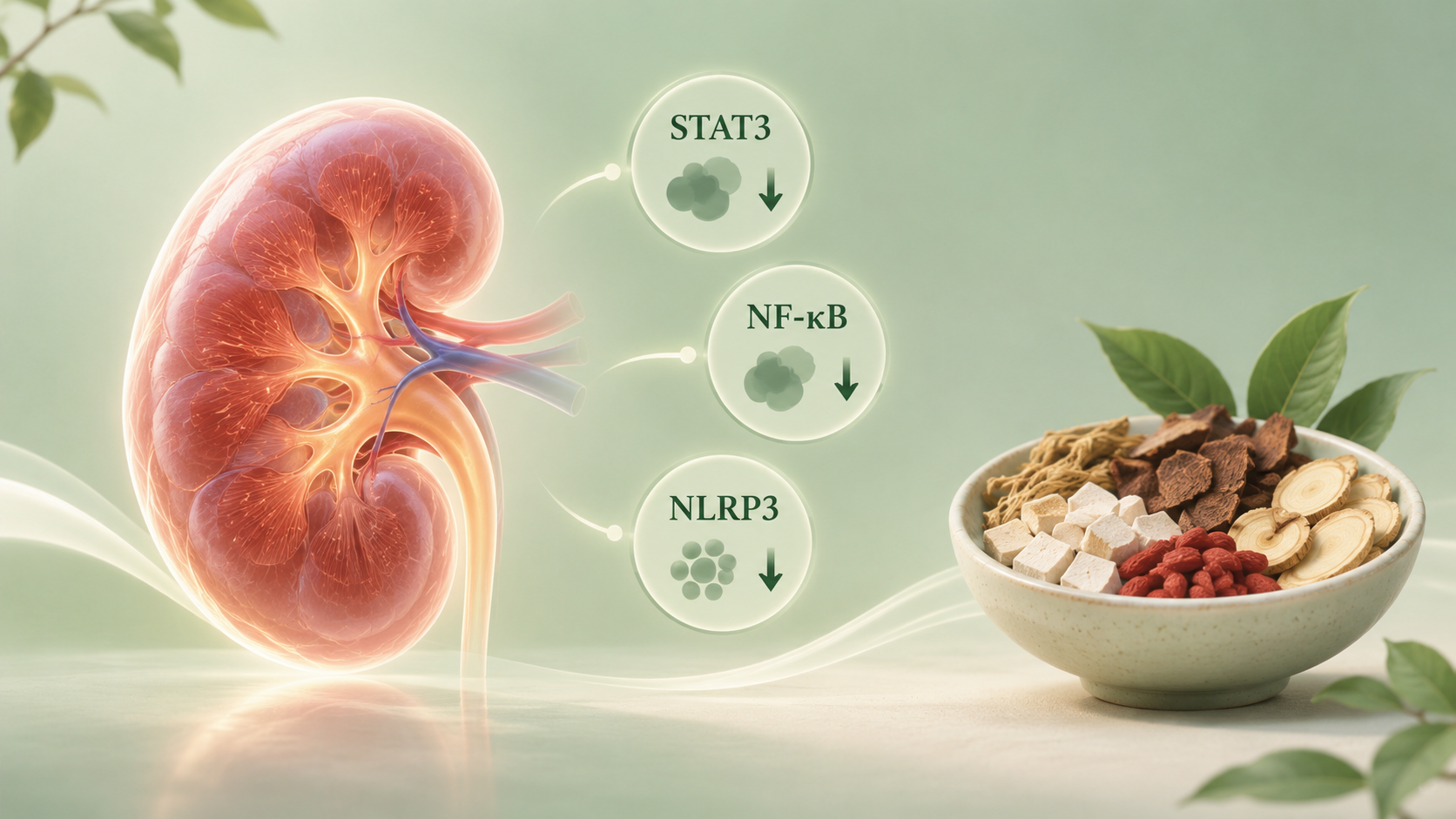
A compound called TSG does both. It raised klotho in the brain and lowered neural insulin and IGF-1 signalling, and the mice that got it lived 17 percent longer at best and remembered better. TSG is the main and distinctive compound in He Shou Wu, the Chinese herb whose name is tied to longevity.
Then the complication. He Shou Wu is the single most common herbal cause of liver injury. The interesting part is why. The compound exists in two shapes, trans and cis, which contain identical atoms arranged differently. When researchers tested them head to head in rats, the cis form caused severe liver injury and the trans form caused none. The longevity research is on the trans form.
What to do with that: this is a case where the specific form matters more than the dose. If you are considering He Shou Wu, the prepared form, Zhi He Shou Wu, is the one used in the formulas with the best evidence, and a supplier who cannot tell you which isomer their material contains cannot tell you whether it is the one that extends life or the one that damages livers. Raw unprocessed He Shou Wu is the preparation to avoid.
Why 17 percent is a serious number
Lifespan is the hardest endpoint in aging research. A compound can improve every biomarker anyone measures and still leave the animal dying on schedule, which is why so few interventions are tested against survival and why fewer still pass.
TSG was given to SAMP8 mice, a strain bred to age quickly, which makes a lifespan study practical in months instead of years. Memory improved significantly. Lifespan rose by up to 17 percent (Zhou et al., 2015).
The accelerated strain cuts both ways. It makes the experiment feasible and it means the result describes a shortened life being extended toward normal, which is not the same as extending a normal life. The honest reading is a real survival effect in a model built for the purpose.
How it works
The study did not stop at the survival curve. It measured the mechanism, and the mechanism is the reason this result is worth attention.
Klotho went up. Klotho is produced mainly in the kidney and the brain, and it declines with age. Animals lacking it develop something close to accelerated aging across several tissues at once. Raising it in the brain is a meaningful intervention rather than a marker shift.
Neural insulin and IGF-1 signalling went down. This is the pathway that made aging a tractable science in the first place. Reducing it extends life in nematodes, in fruit flies and in mice. Klotho and insulin signalling are also connected, since one of klotho’s known functions is suppressing insulin and IGF-1 signalling, so the two findings are one coherent result instead of two separate ones.
The link back to the dementia formulas
TSG is not only a compound somebody isolated for a lifespan study. It is one of the eight marker compounds identified by HPLC in Bushen-Yizhi (Hou et al., 2014), the formula that produced the largest significant cognitive gain as an add-on treatment across 57 randomized Alzheimer’s trials.
Bushen-Yizhi contains prepared Polygonum multiflorum as one of its six herbs, so the TSG in the formula comes from the same plant discussed here. A compound with an independent lifespan result also appears inside the best performing multi-herb formula in the dementia literature. That kind of overlap is what makes a research lead worth following.
The liver problem, and the shape of the molecule
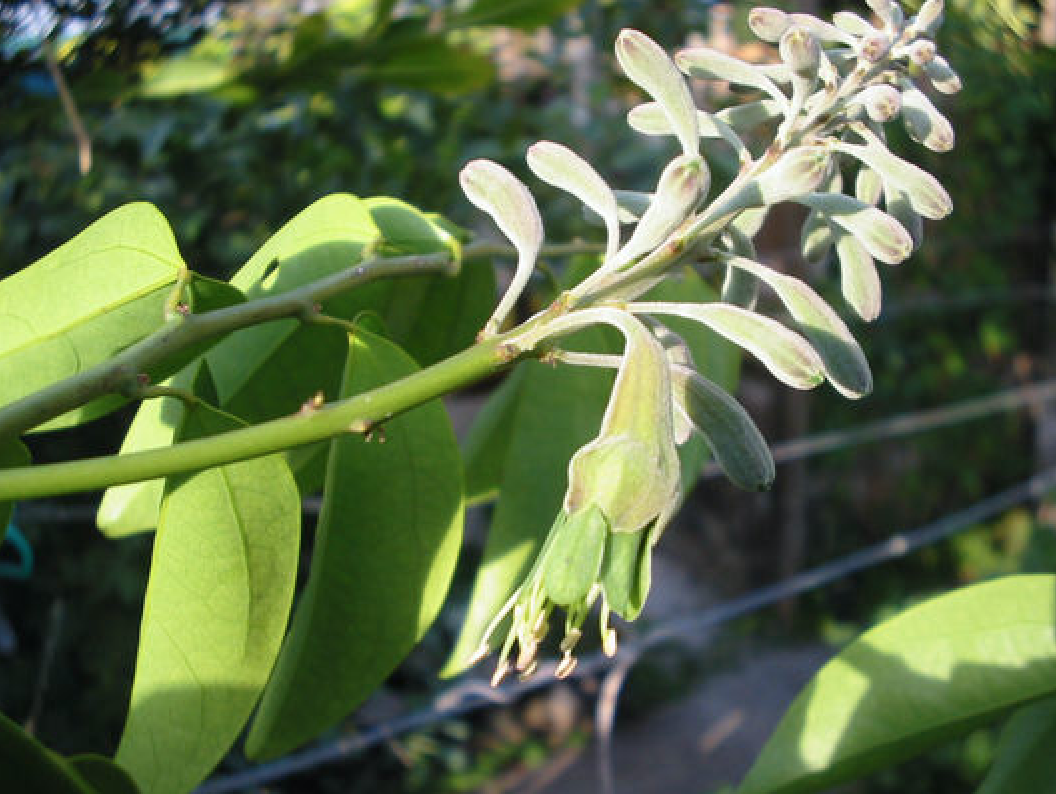
He Shou Wu, known botanically as Polygonum multiflorum and more recently as Reynoutria multiflora, is described in the review literature as the most common herb that causes herb-induced liver injury (Zhai et al., 2021). This is not a hypothetical risk. It is the leading documented case of the problem.
The injury is idiosyncratic, meaning it affects some people and not others and does not track neatly with dose. Researchers modelled that pattern in rats by combining candidate compounds with a low dose of bacterial endotoxin to mimic an inflammatory state, then gave three suspects at matched doses: cis-stilbene glucoside, trans-stilbene glucoside and emodin.
Only the cis form caused severe liver injury. Liver enzymes rose sharply, inflammatory cytokines rose in blood and liver tissue, and the tissue showed hepatocyte death and macrophage infiltration. Trans-stilbene glucoside at the same dose did not, and neither did emodin (Meng et al., 2017).
Trans and cis here are the same atoms joined the same way, differing only in how the molecule is folded around one double bond. One of them extends mouse lifespan. The other damages livers in the presence of inflammation. A certificate of analysis reporting total stilbene glucoside content does not distinguish between them.
Traditional practice arrived at part of the answer without the chemistry. He Shou Wu is used raw or prepared, with preparation involving prolonged steaming, and the prepared form is the one used in Bushen-Yizhi and in most of the formulas carrying good evidence. Analytical methods now exist to determine processing degree in a given batch, which suggests the industry takes the distinction seriously even where consumers do not.
Where this leads
TSG has a broad pharmacological file beyond longevity, covering inflammation, neurodegeneration, cardiovascular endpoints and bone (review, 2021). What it lacks is a human trial for any aging outcome and published human pharmacokinetics at a defined isomer ratio.
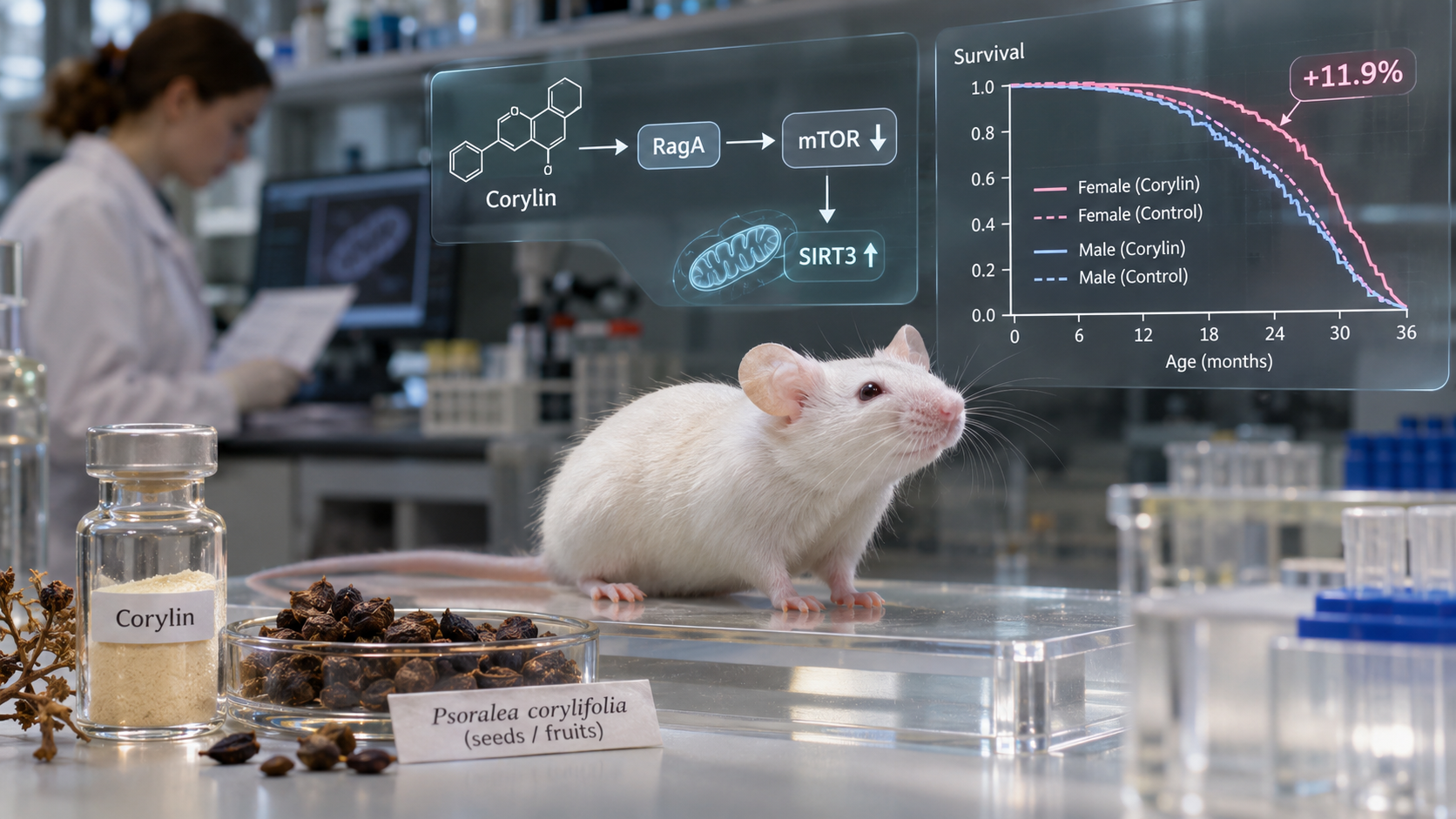
The pattern across this and corylin is worth noting. Both are single compounds with mammalian evidence, both come from herbs with liver signals attached, and in both cases the purified compound and the crude herb are different propositions. Our argument for multi-target formulations covers why these compounds tend to appear inside traditional formulas, and our other research articles apply the same standard elsewhere.
Limitations
The lifespan result is one study in a strain bred to age quickly, with no human data for any aging outcome, and the herb it comes from is the leading cause of herb-induced liver injury, which is discussed above at length because the isomer distinction behind it is the most practically useful thing in this file.
Citations
[1] Zhou X, Yang Q, Xie Y, et al. Tetrahydroxystilbene glucoside extends mouse life span via upregulating neural klotho and downregulating neural insulin or insulin-like growth factor 1. Neurobiol Aging. 2015;36(3):1462-70. PMID 25595496
[2] Zhai XR, Zou ZS, Wang JB, Xiao XH. Herb-induced liver injury related to Reynoutria multiflora (Thunb.) Moldenke: risk factors, molecular and mechanistic specifics. Front Pharmacol. 2021;12:738577. PMID 34539416
[3] Meng YK, Li CY, Li RY, et al. Cis-stilbene glucoside in Polygonum multiflorum induces immunological idiosyncratic hepatotoxicity in LPS-treated rats. Acta Pharmacol Sin. 2017;38(10):1340-1352. PMID 28649126
[4] A review of pharmacology, toxicity and pharmacokinetics of 2,3,5,4′-tetrahydroxystilbene-2-O-β-D-glucoside. Front Pharmacol. 2021. PMID 35069206
[5] Hou XQ, Wu DW, Zhang CX, et al. Bushen-Yizhi formula ameliorates cognition deficits in scopolamine-induced senescence in mice. Int J Mol Med. 2014;34(2):429-39. PMID 24919922
These statements have not been evaluated by the Food and Drug Administration. He Shou Wu and TSG are not products sold by MDS Labs and nothing here is a recommendation to use either. Nothing here is intended to diagnose, treat, cure or prevent any disease.
Categories:
MDS Research Articles