
Nov
08
Corylin: Mid-Life Dosing Extended Female Mouse Lifespan by 11.9 Percent
0 Comments
Very few natural compounds have ever been shown to extend the life of a mammal. Corylin was given to mice in middle age and added 11.9 percent to median lifespan in females, with the result published in Nature Communications in 2026.
The short version
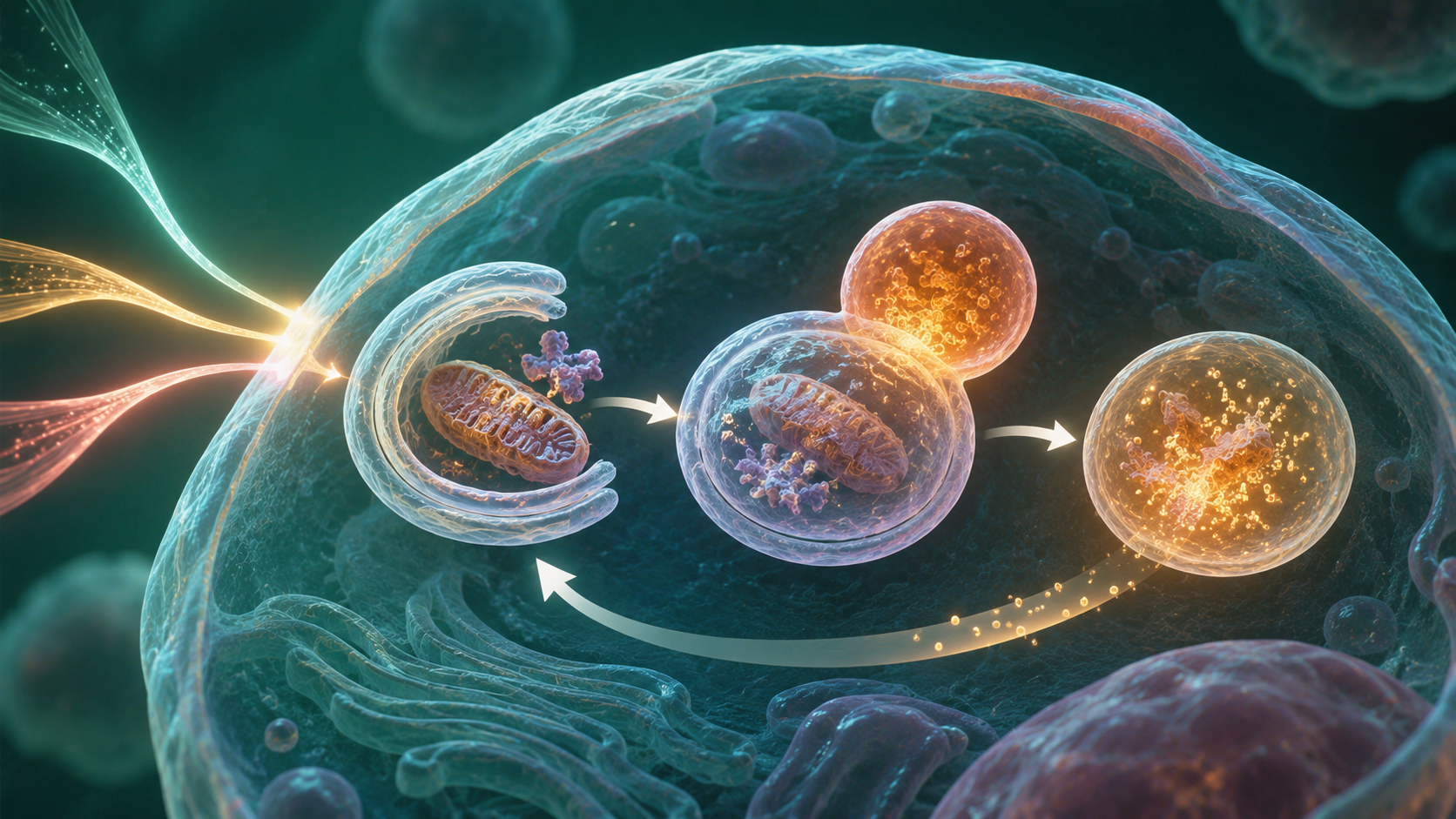
Inside every cell is a switch called mTOR. When the body senses plenty of food around, mTOR switches on and tells the cell to grow. When food is scarce, mTOR switches off and the cell spends its time cleaning up instead, breaking down worn-out parts and recycling them.
As we age that switch tends to get stuck on. Growth signals keep running, cleanup falls behind, and damaged material builds up. Turning the switch back down is the single most reliable way anyone has found to extend life in animals. It is what rapamycin does, and rapamycin is the only drug repeatedly shown to lengthen mammalian lifespan.
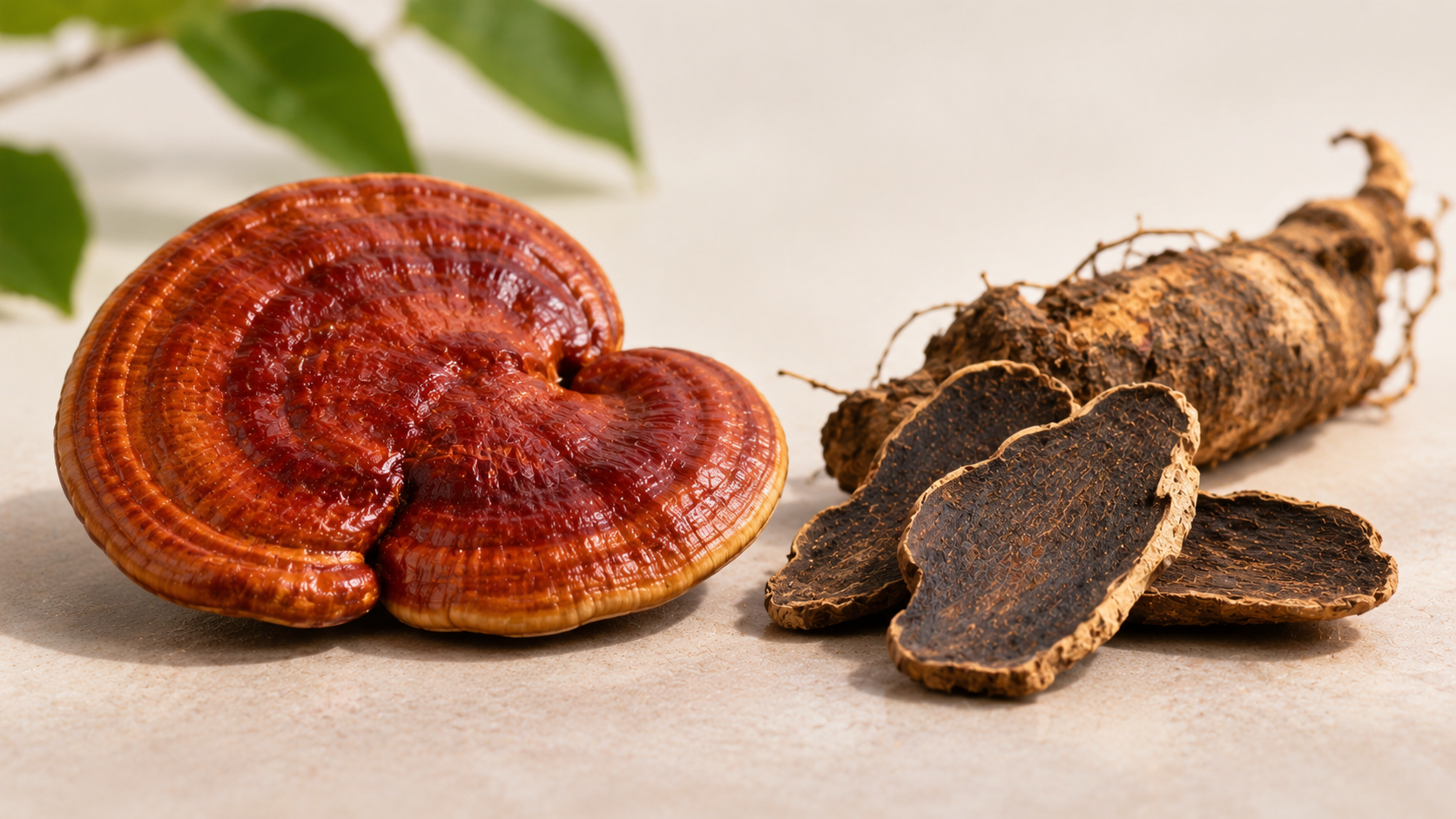
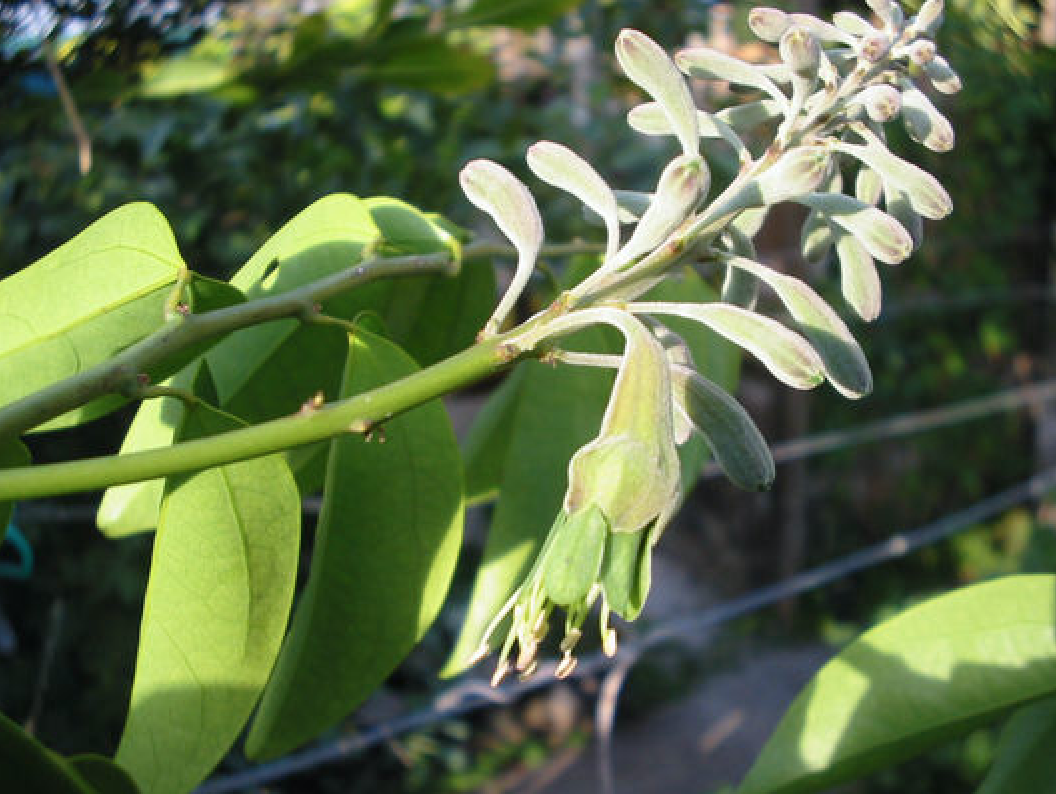
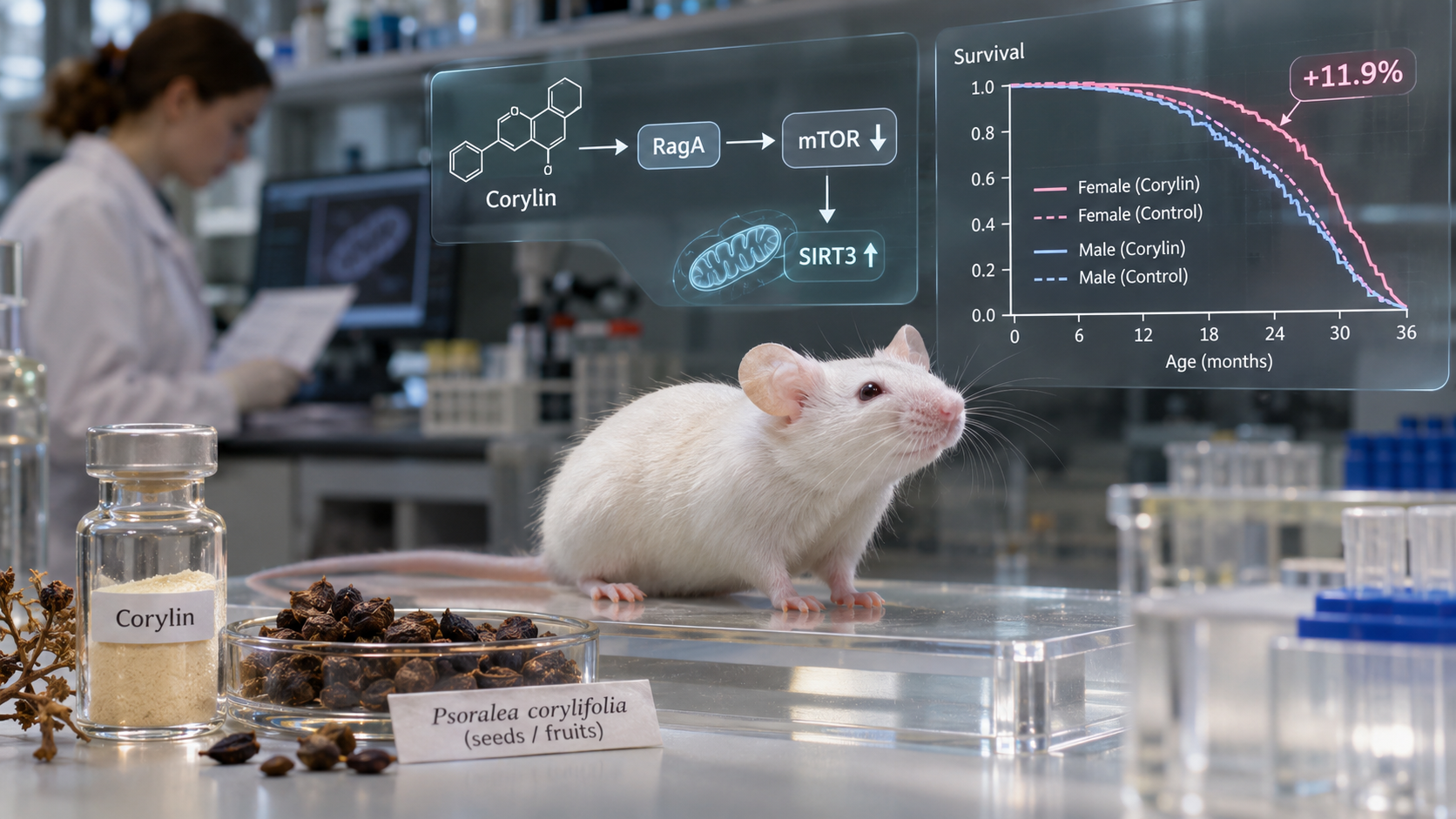
Corylin is a flavonoid from a plant used in Chinese medicine for centuries, known as Bu Gu Zhi. Researchers started giving it to mice in middle age, not from birth, and kept them on an ordinary diet. The treated females lived longer: median lifespan up 11.9 percent, and 33 percent more of them still alive at 125 weeks. They also had better muscle, better metabolic measures and better physical performance.
The males got no such benefit. The researchers say so plainly, and they traced the difference to a protein called SIRT3 that corylin restored in females only.
One serious catch. The plant corylin comes from has a documented history of liver injury when taken as a whole-herb preparation. Corylin is a single purified compound from that plant; the herb itself is a different proposition.
What to do with that: corylin is worth following closely and is not something to act on by buying Bu Gu Zhi. The liver signal attaches to whole-herb and ethanol extracts of Psoralea corylifolia, so the sensible position is to watch for purified corylin to become available and to avoid the raw herb in the meantime. If your interest is the same plant’s skin compound, bakuchiol, that one already has a human trial behind it and is sold on its own.
Why a lifespan result is rare
Most compounds described as anti-aging have never been tested against lifespan in anything. Testing it properly is slow and expensive: a mouse study runs two to three years, needs large groups, and produces one number at the end that is either significant or not. The result cannot be rescued by a better biomarker.
Two features of this study make it stronger than most. Dosing began in middle age, which is the realistic scenario for a person, since almost nobody starts an intervention at birth. And the mice were on a standard diet, so the effect is not an artefact of correcting an obesity model.
What the study found
Mid-life corylin improved metabolic function, muscle integrity and physical performance. In females it extended median lifespan by 11.9 percent and left 33 percent more animals alive at 125 weeks. Multi-omics analysis across several tissues showed coordinated age-associated molecular changes tracking with treatment (Cheng et al., 2026).
Lifespan and function improved together, which matters. An intervention that extends life while leaving an animal frail has achieved something of limited interest. Here grip and performance measures moved alongside survival.
How it works
The study traced the effect to mTOR, and to how corylin reaches it.
mTOR does not sense food directly. It relies on a family of small proteins called Rag GTPases that detect amino acids and report back. One of them is RagA. When RagA signals that nutrients are present, mTOR activates and growth programmes start.
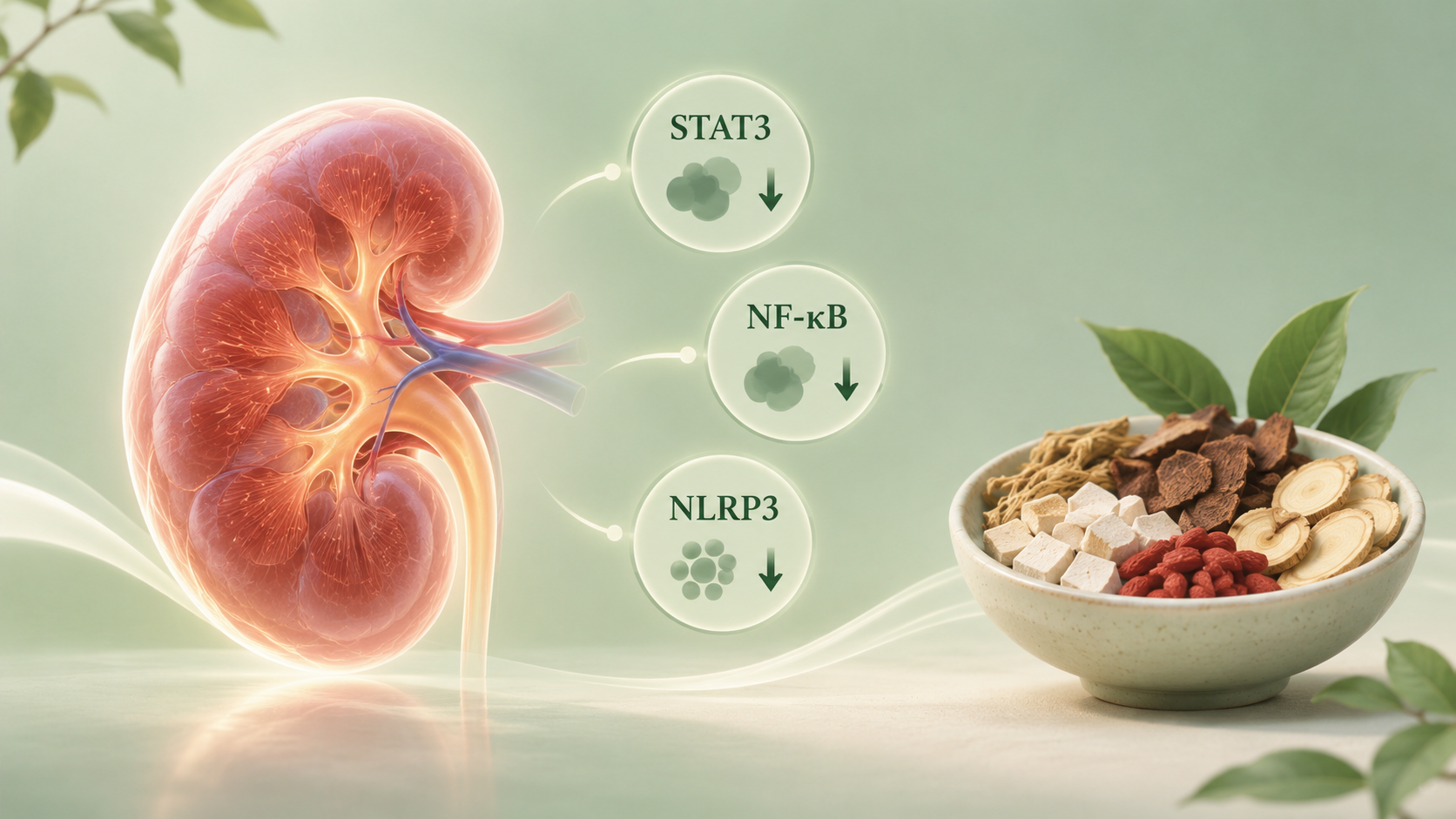
Corylin binds RagA directly. The researchers demonstrated the interaction, and mTOR signalling fell as a result. Corylin therefore reaches the same node as rapamycin by a different door, pressing on the sensor instead of the switch.
In females it also restored SIRT3, a sirtuin that lives inside mitochondria and manages how efficiently they burn fuel. Energy-related metabolic programmes recovered alongside it.
The sex difference
Only the females lived longer. This is common in longevity research and usually goes unmentioned, so an author team reporting it in the title deserves credit for it.
The practical reading is cautious. The mTOR mechanism operated in both sexes; the SIRT3 restoration did not, and the lifespan benefit followed SIRT3. Until somebody works out why, the honest summary is that corylin extended lifespan in female mice and has not been shown to do so in males.
The other compound in the same plant
Psoralea corylifolia also produces bakuchiol, which has become well known in skin care as an alternative to retinol.
That reputation rests on a real trial. In a randomized, double-blind, 12-week study, 44 patients applied either bakuchiol 0.5 percent cream twice daily or retinol 0.5 percent cream once daily, with a blinded dermatologist grading the results from high-resolution photographs. Both significantly reduced wrinkle surface area and hyperpigmentation, with no statistical difference between them, and the retinol users reported more facial scaling and stinging (Dhaliwal et al., 2019).
Matching retinol on results while being easier to tolerate is a strong outcome for a plant compound, and it comes from the same fruit as corylin.
The problem with the whole herb
Bu Gu Zhi, the dried fruit of Psoralea corylifolia, has a documented association with liver injury. This is not a theoretical concern raised to be thorough. It is an active area of study, with work examining which hosts are predisposed, which constituents are responsible, and how the damage occurs.
A 2026 meta-analysis in the Journal of Ethnopharmacology pooled 23 efficacy studies and 7 toxicity studies to model a benefit-risk window for the herb, using bone mineral density as the benefit measure and liver enzymes as the safety measure. The authors state directly that broader application of the herb is constrained by hepatotoxicity concerns (2026). Separate work has tied hepatotoxicity to the ethanol extract and to disrupted lipid metabolism.
So the plant presents two different propositions. Purified single compounds, corylin and bakuchiol, are where the interesting results are. The whole-herb preparation carries a liver signal serious enough that a research group built a statistical model to find a safe dose range for it. Anyone considering Bu Gu Zhi should treat that as the headline.
Where this leads
Corylin is the most interesting new entry in botanical longevity research, and almost nobody outside the field has heard of it. It acts on the mechanism the field cares most about, it was dosed from middle age, it improved function as well as survival, and it was published in a journal that does not take this work lightly.
What it needs now is a replication in males, an explanation for the SIRT3 difference, and human pharmacokinetics, none of which exist. Our argument for multi-target formulations explains why compounds of this kind tend to appear inside traditional formulas rather than alone, and our other research articles hold other compounds to the same standard.
Limitations
This is one mouse study, the benefit appeared in females only, and no human has been given corylin for any aging outcome; the plant it comes from carries a documented liver risk as a whole-herb preparation, which is discussed above rather than in passing because it deserves the space.
Citations
[1] Cheng SF, Lin YT, Wang TH, et al. Corylin promotes healthy aging via RAGA-mTOR suppression and sex-dependent activation of SIRT3. Nat Commun. 2026;17(1):7351. PMID 42265126
[2] Dhaliwal S, Rybak I, Ellis SR, et al. Prospective, randomized, double-blind assessment of topical bakuchiol and retinol for facial photoageing. Br J Dermatol. 2019;180(2):289-296. PMID 29947134
[3] Efficacy and hepatotoxicity of Psoralea corylifolia L.: a meta-analysis and machine learning assessment. J Ethnopharmacol. 2026. PMID 42331197
[4] Psoraleae Fructus ethanol extract induced hepatotoxicity via impaired lipid metabolism. PMID 36647431
[5] Khan I, et al. Psoralea corylifolia L.: a comprehensive review of its botany, traditional uses, phytochemistry and pharmacology. PMID 36627680
These statements have not been evaluated by the Food and Drug Administration. Corylin and Bu Gu Zhi are not products sold by MDS Labs and nothing here is a recommendation to use either. Nothing here is intended to diagnose, treat, cure or prevent any disease.
Categories:
MDS Research Articles