



PURE RUTIN
From youthful skin to circulatory and metabolic support, research explores how rutin may support healthy aging across multiple systems.*
- Studied for supporting collagen, elasticity, and antioxidant defense for healthier-looking skin.*
- Senomorphic support: studied for its ability to modulate inflammatory signals from senescent "zombie" cells.*
- Researched for healthy blood sugar, blood pressure, and mitochondrial function as we age.*
- Studied for supporting healthy circulation and blood flow associated with aging.*
- Backed by preclinical and human research exploring effects on the brain, heart, bones, and immune system.*
Rutin: a Quercetin Glycoside with Unique Properties*
Rutin is a bioflavonoid found in plants like buckwheat, apples, citrus fruits, and green tea. It is best known for its strong antioxidant and anti-inflammatory properties. Chemically, rutin is a glycoside, which means it combines a sugar with a non-sugar component. The non-sugar part is quercetin, another flavonoid with notable pharmacological properties, while the sugar part is called rutinose. Rutinose itself is made of two sugars, glucose and rhamnose.
Rhamnose is unusual because it exists naturally in plants and bacteria as L-rhamnose, but not in humans. Most sugars in nature are the D form, making the L form rare. L-rhamnose does not spike blood sugar and has been studied as a potential sugar substitute. Unfortunately, high production costs have so far prevented it from becoming widely available for that use.
Rutin and Skin Health Research*
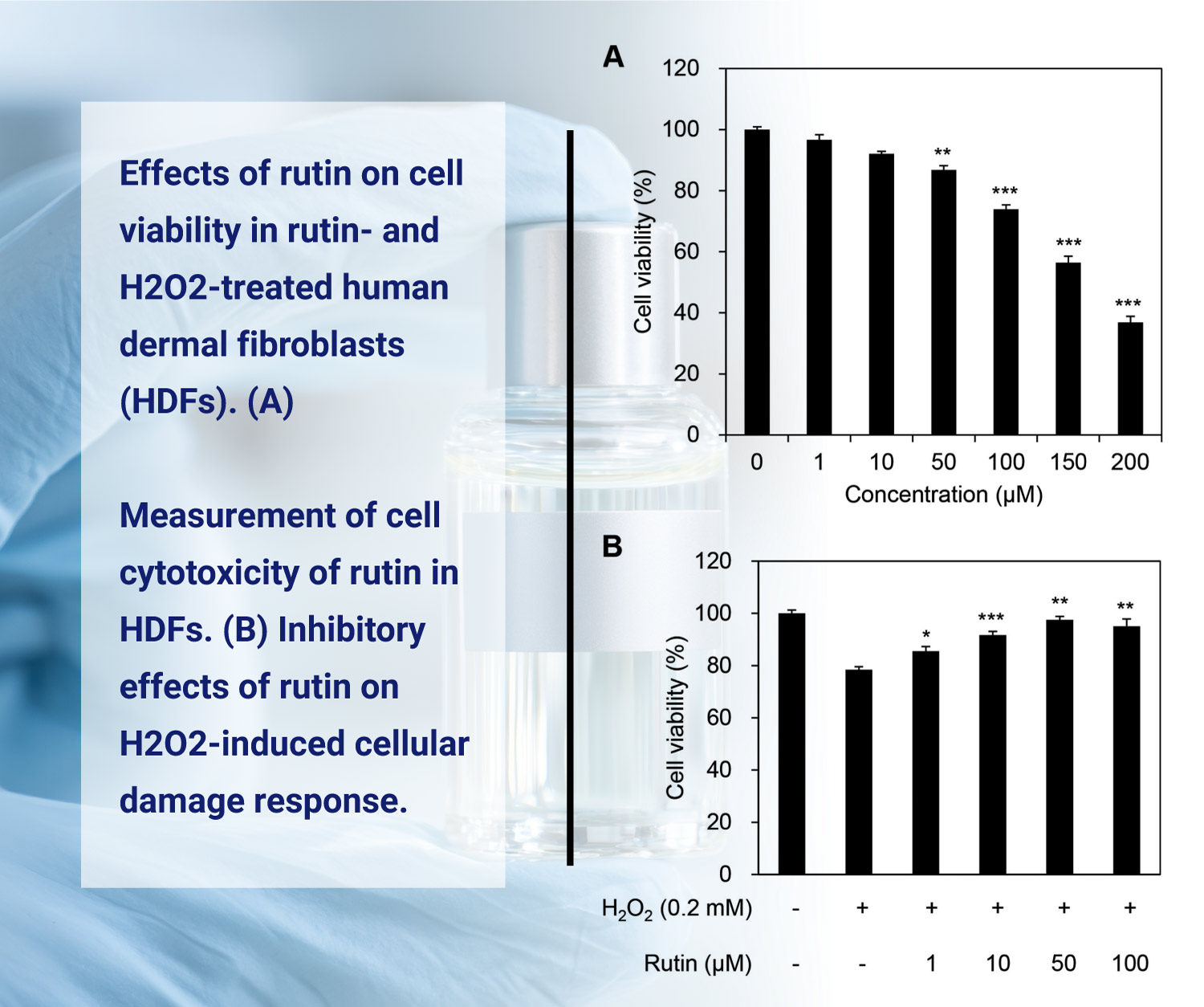
Rutin has been studied for supporting healthy skin and slowing visible aging. A study published in the International Journal of Molecular Medicine examined its effects both in the lab and in human participants. In lab experiments, rutin increased collagen production (COL1A1) while reducing the enzyme (MMP1) that breaks down collagen, suggesting it may help support skin structure.
Rutin also showed strong antioxidant properties, reducing oxidative stress — another contributor to skin aging. In a clinical trial of 40 participants (ages 30–50), a cream containing rutin was applied for four weeks. The results showed improved skin elasticity and a reduction in the appearance of wrinkles, especially around the eyes. These findings suggest rutin may help support skin by supporting collagen and reducing oxidative damage, making it a compound of interest in anti-aging skincare research. [1]
Rutin's Senotherapeutic Research*
Rutin has been studied as a senomorphic agent, meaning it may modify the behavior of senescent cells (also called "zombie cells") without killing them. These aged cells stop dividing but continue to release inflammatory signals known as SASP (senescence-associated secretory phenotype). Accumulation of these cells is studied as a driver of the chronic inflammation associated with aging.
A study in Aging Cell found that rutin reduced SASP factors by disrupting protein interactions that control inflammation. In aged mice, supplementation with rutin lowered systemic inflammation and improved physical performance. These findings highlight rutin's researched potential as a well-tolerated senotherapeutic compound. [2]
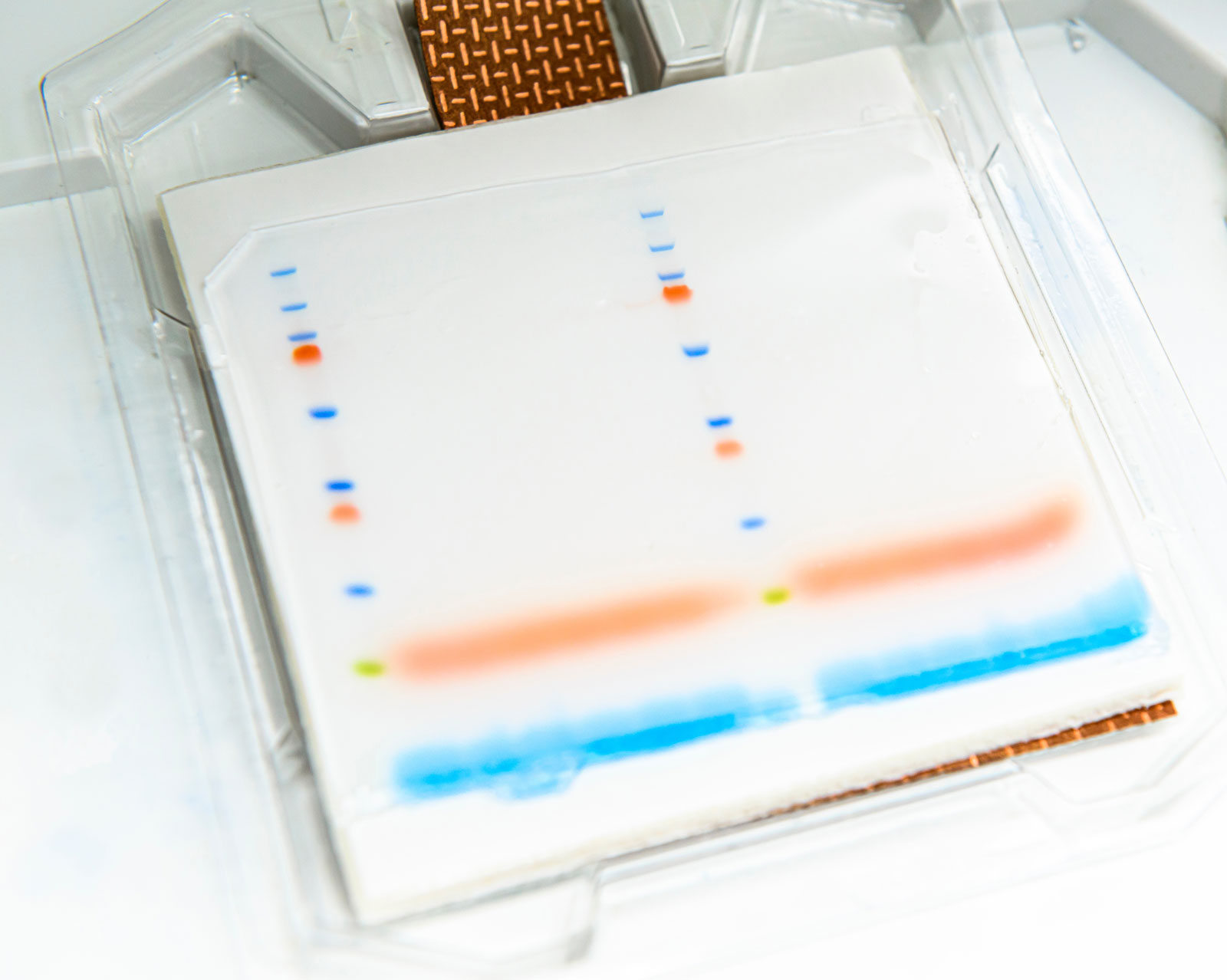
In a 2017 study, researchers identified the likely mechanism behind rutin's activity as inhibition of the c-Met kinase enzyme. [3] c-Met has more recently been studied as an early marker of cellular senescence, and may contribute to resistance to apoptosis (programmed cell death) and to increased SASP — making c-Met activity an area of interest in anti-aging research. Dasatinib has also been shown to indirectly affect c-Met by targeting c-Src, a downstream transducer of c-Met signaling. [4] Rutin's inclusion in NEUROmergence® was to better align the formulation with the signaling pathways studied in connection with Dasatinib.
Pre-clinical Data on Rutin's Anti-Aging Research*
Pre-clinical studies using models such as C. elegans (roundworms) and mice show promising effects of rutin on lifespan and vitality. These models are commonly used in longevity research because of their short lifespans and well-conserved biological pathways. In these studies, rutin extended lifespan and improved exercise capacity in both worms and mice. As with all preclinical work, these findings may not necessarily translate to humans. [5]
| Model / Measure | Effect of Rutin | Significance |
|---|---|---|
| C. elegans lifespan | Extended lifespan | p < 0.05 |
| C. elegans egg production | Increased number of eggs | p < 0.05 |
| Mouse exercise & motor function | Improved exercise capacity | p < 0.05 |
| Mouse brain oxidative stress (ROS) | Reduced ROS levels | p < 0.05 |
| Mouse brain lipid peroxidation (MDA) | Lowered MDA levels | p < 0.01 |
| Serum & brain antioxidant enzymes (SOD) | Enhanced SOD activity | p < 0.05 |
| Serum & brain antioxidant enzymes (GSH-Px) | Increased GSH-Px activity | p < 0.01 |
Rutin and Age-related Metabolic Health Research*
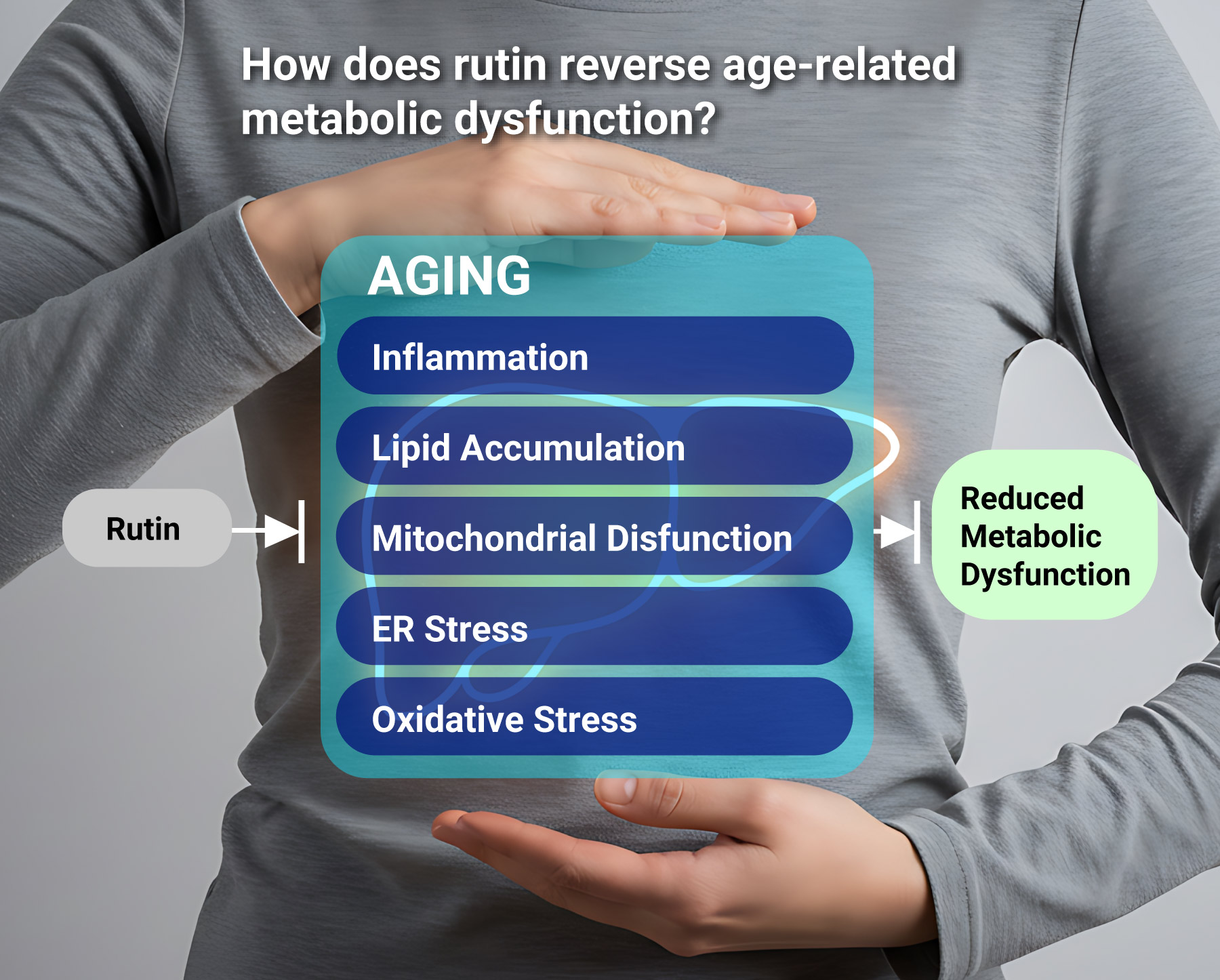
A study in Food & Function examined the effects of rutin on metabolic function in aged rats. Supplementation with rutin was associated with improvements in several metabolic markers commonly affected by aging, including lower fasting blood glucose and insulin levels, healthier blood pressure, and improved insulin sensitivity (shown by lower HOMA-IR values).
Rutin was also associated with improved glucose and insulin tolerance, better mitochondrial function, reduced endoplasmic reticulum stress, and lower oxidative stress. These results suggest rutin may help support healthy metabolic function as we age. [6]
Rutin and Healthy Circulation Research*
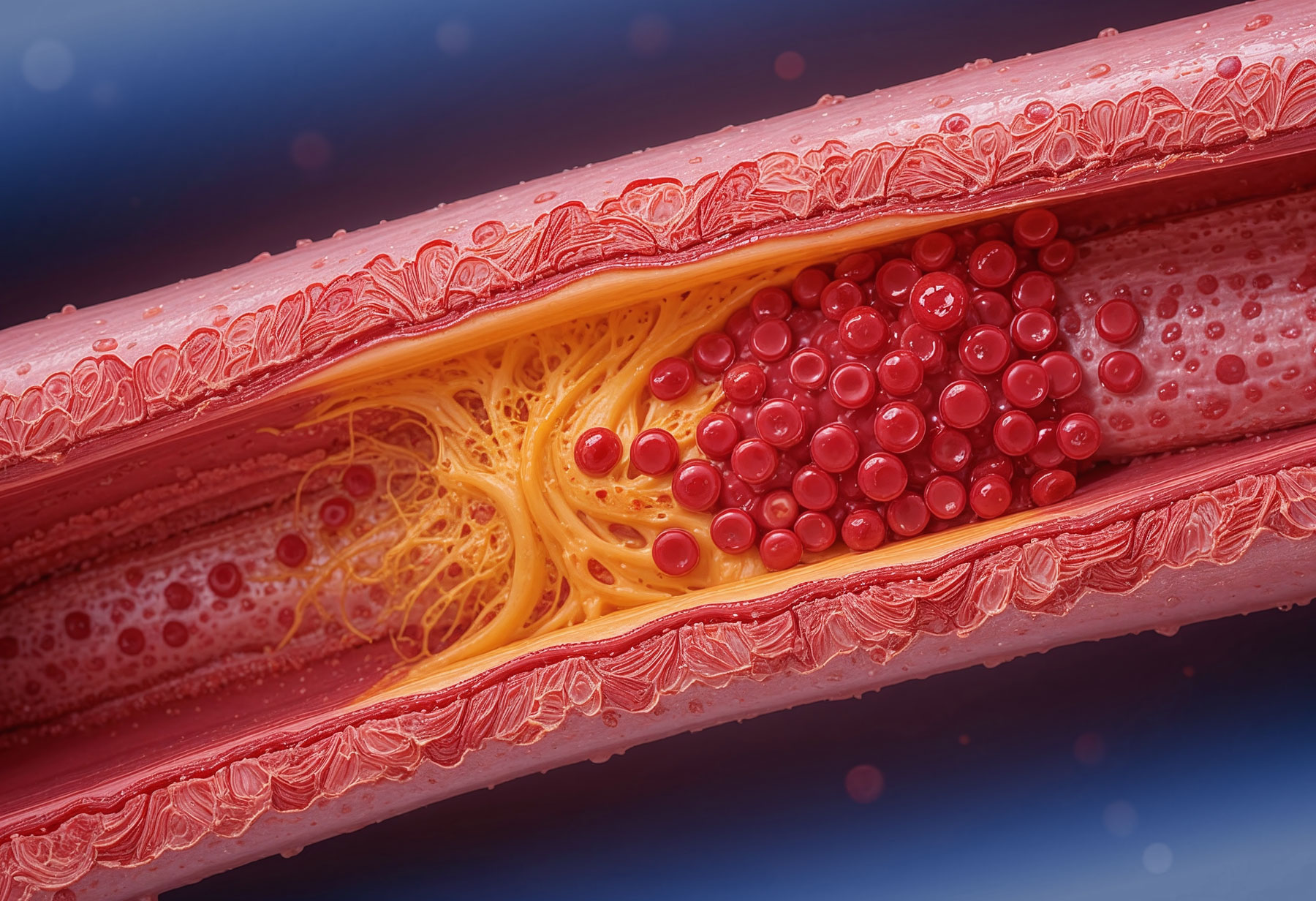
Rutin has been studied for its role in supporting healthy circulation. In one study, rutin was found to support healthy clotting time and normal platelet function in research models. [7] This is an area of interest for healthy aging, since circulation naturally changes with age — gradually affecting the delivery of oxygen and nutrients to the brain, heart, and other organs, and contributing to changes in memory, energy, and cardiovascular health. [8][9] By supporting healthy microvascular function, rutin is studied as a compound that may support circulation as we age.

The Multi-System Research on Rutin*
Rutin has been studied across multiple systems of the body. A comprehensive review of studies (see this review) describes research on how it may protect cells from oxidative stress and inflammation, support blood vessel function, support brain health and memory, and support bone strength. Together, these are many of the processes studied in connection with aging.
By supporting circulation, cognitive function, bone health, and inflammation balance, rutin stands out as a natural compound studied for multi-system support and its potential role in healthy aging. [14]
ATTENTION:
If pregnant, nursing, or trying to conceive, do not use this product. Because rutin has been studied for effects on blood clotting, consult your physician before use if you take blood thinners or other medications, have a bleeding disorder, or are scheduled for surgery. If you take medications, have preexisting conditions, or suffer from allergies of any kind, please consult your physician before taking this, or any other dietary supplements. The information contained on this site has not been evaluated by the Food and Drug Administration.
* These statements have not been evaluated by the Food and Drug Administration.
These products are not intended to diagnose, treat, cure, or prevent any disease.
ABOUT MDS LABS
CITATIONS:
[1] Choi SJ, Lee SN, Kim K, et al. Biological effects of rutin on skin aging. Int J Mol Med. 2016 Jul;38(1):357-63. doi: 10.3892/ijmm.2016.2604. PMID: 27220601.
https://pubmed.ncbi.nlm.nih.gov/27220601/
[2] Liu H, Xu Q, Wufuer H, et al. Rutin is a potent senomorphic agent to target senescent cells and can improve chemotherapeutic efficacy. Aging Cell. 2024;23:e13921.
https://doi.org/10.1111/acel.13921
[3] Elsayed HE, Ebrahim HY, Mohyeldin MM, et al. Rutin as A Novel c-Met Inhibitory Lead for The Control of Triple Negative Breast Malignancies. Nutr Cancer. 2017;69(8):1256-1271. doi: 10.1080/01635581.2017.1367936. PMID: 29083228.
https://pubmed.ncbi.nlm.nih.gov/29083228/
[4] Sen B, Peng S, Saigal B, et al. Distinct interactions between c-Src and c-Met in mediating resistance to c-Src inhibition in head and neck cancer. Clin Cancer Res. 2011;17(3):514-24. doi: 10.1158/1078-0432.CCR-10-1617. PMID: 21106725.
https://pubmed.ncbi.nlm.nih.gov/21106725/
[5] Xinghua L, Yingying H, Shuai W, Guangping L. Anti-aging Effect of Rutin in Caenorhabditis elegans and D-Gal-Induced Aging Mouse Model. Dokl Biochem Biophys. 2023;513(1):350-354. doi: 10.1134/S1607672923700515. PMID: 38066322.
https://pubmed.ncbi.nlm.nih.gov/38066322/
[6] Li T, Chen S, Feng T, et al. Rutin protects against aging-related metabolic dysfunction. Food Funct. 2016;7(2):1147-54. doi: 10.1039/c5fo01036e. PMID: 26804783.
https://pubmed.ncbi.nlm.nih.gov/26804783/
[7] Choi JH, Kim DW, Park SE, et al. Anti-thrombotic effect of rutin isolated from Dendropanax morbifera Leveille. J Biosci Bioeng. 2015;120(2):181-6. doi: 10.1016/j.jbiosc.2014.12.012. PMID: 25777266.
https://pubmed.ncbi.nlm.nih.gov/25777266/
[8] Kaplon RE, Seals DR. Vascular aging and the microcirculation. Antioxid Redox Signal. 2023;38(12–13):915–933.
https://doi.org/10.1089/ars.2023.0365
[9] Ungvari Z, Tarantini S, Donato AJ, Csiszar A. Mechanisms of vascular aging: New perspectives. J Gerontol A. 2023;78(10):1813–1822.
https://pubmed.ncbi.nlm.nih.gov/37742116/
[14] Al-Dhabi NA, Arasu MV, Park CH, Park SU. An up-to-date review of rutin and its biological and pharmacological activities. EXCLI J. 2015;14:59-63. doi: 10.17179/excli2014-663. PMID: 26535031.
https://pmc.ncbi.nlm.nih.gov/articles/PMC4614038/
PURE RUTIN
From youthful skin to circulatory and metabolic support, research explores how rutin may support healthy aging across multiple systems.*
- Studied for supporting collagen, elasticity, and antioxidant defense for healthier-looking skin.*
- Senomorphic support: studied for its ability to modulate inflammatory signals from senescent “zombie” cells.*
- Researched for healthy blood sugar, blood pressure, and mitochondrial function as we age.*
- Studied for supporting healthy circulation and blood flow associated with aging.*
- Backed by preclinical and human research exploring effects on the brain, heart, bones, and immune system.*
Rutin: a Quercetin Glycoside with Unique Properties*
Rutin is a bioflavonoid found in plants like buckwheat, apples, citrus fruits, and green tea. It is best known for its strong antioxidant and anti-inflammatory properties. Chemically, rutin is a glycoside, which means it combines a sugar with a non-sugar component. The non-sugar part is quercetin, another flavonoid with notable pharmacological properties, while the sugar part is called rutinose. Rutinose itself is made of two sugars, glucose and rhamnose.
Rhamnose is unusual because it exists naturally in plants and bacteria as L-rhamnose, but not in humans. Most sugars in nature are the D form, making the L form rare. L-rhamnose does not spike blood sugar and has been studied as a potential sugar substitute. Unfortunately, high production costs have so far prevented it from becoming widely available for that use.
Rutin and Skin Health Research*
Rutin has been studied for supporting healthy skin and slowing visible aging. A study published in the International Journal of Molecular Medicine examined its effects both in the lab and in human participants. In lab experiments, rutin increased collagen production (COL1A1) while reducing the enzyme (MMP1) that breaks down collagen, suggesting it may help support skin structure.
Rutin also showed strong antioxidant properties, reducing oxidative stress — another contributor to skin aging. In a clinical trial of 40 participants (ages 30–50), a cream containing rutin was applied for four weeks. The results showed improved skin elasticity and a reduction in the appearance of wrinkles, especially around the eyes. These findings suggest rutin may help support skin by supporting collagen and reducing oxidative damage, making it a compound of interest in anti-aging skincare research. [1]
Rutin’s Senotherapeutic Research*
Rutin has been studied as a senomorphic agent, meaning it may modify the behavior of senescent cells (also called “zombie cells”) without killing them. These aged cells stop dividing but continue to release inflammatory signals known as SASP (senescence-associated secretory phenotype). Accumulation of these cells is studied as a driver of the chronic inflammation associated with aging.
A study in Aging Cell found that rutin reduced SASP factors by disrupting protein interactions that control inflammation. In aged mice, supplementation with rutin lowered systemic inflammation and improved physical performance. These findings highlight rutin’s researched potential as a well-tolerated senotherapeutic compound. [2]
In a 2017 study, researchers identified the likely mechanism behind rutin’s activity as inhibition of the c-Met kinase enzyme. [3] c-Met has more recently been studied as an early marker of cellular senescence, and may contribute to resistance to apoptosis (programmed cell death) and to increased SASP — making c-Met activity an area of interest in anti-aging research. Dasatinib has also been shown to indirectly affect c-Met by targeting c-Src, a downstream transducer of c-Met signaling. [4] Rutin’s inclusion in NEUROmergence® was to better align the formulation with the signaling pathways studied in connection with Dasatinib.
Pre-clinical Data on Rutin’s Anti-Aging Research*
Pre-clinical studies using models such as C. elegans (roundworms) and mice show promising effects of rutin on lifespan and vitality. These models are commonly used in longevity research because of their short lifespans and well-conserved biological pathways. In these studies, rutin extended lifespan and improved exercise capacity in both worms and mice. As with all preclinical work, these findings may not necessarily translate to humans. [5]
| Model / Measure | Effect of Rutin | Significance |
|---|---|---|
| C. elegans lifespan | Extended lifespan | p < 0.05 |
| C. elegans egg production | Increased number of eggs | p < 0.05 |
| Mouse exercise & motor function | Improved exercise capacity | p < 0.05 |
| Mouse brain oxidative stress (ROS) | Reduced ROS levels | p < 0.05 |
| Mouse brain lipid peroxidation (MDA) | Lowered MDA levels | p < 0.01 |
| Serum & brain antioxidant enzymes (SOD) | Enhanced SOD activity | p < 0.05 |
| Serum & brain antioxidant enzymes (GSH-Px) | Increased GSH-Px activity | p < 0.01 |
Rutin and Age-related Metabolic Health Research*
A study in Food & Function examined the effects of rutin on metabolic function in aged rats. Supplementation with rutin was associated with improvements in several metabolic markers commonly affected by aging, including lower fasting blood glucose and insulin levels, healthier blood pressure, and improved insulin sensitivity (shown by lower HOMA-IR values).
Rutin was also associated with improved glucose and insulin tolerance, better mitochondrial function, reduced endoplasmic reticulum stress, and lower oxidative stress. These results suggest rutin may help support healthy metabolic function as we age. [6]
Rutin and Healthy Circulation Research*
Rutin has been studied for its role in supporting healthy circulation. In one study, rutin was found to support healthy clotting time and normal platelet function in research models. [7] This is an area of interest for healthy aging, since circulation naturally changes with age — gradually affecting the delivery of oxygen and nutrients to the brain, heart, and other organs, and contributing to changes in memory, energy, and cardiovascular health. [8][9] By supporting healthy microvascular function, rutin is studied as a compound that may support circulation as we age.
The Multi-System Research on Rutin*
Rutin has been studied across multiple systems of the body. A comprehensive review of studies (see this review) describes research on how it may protect cells from oxidative stress and inflammation, support blood vessel function, support brain health and memory, and support bone strength. Together, these are many of the processes studied in connection with aging.
By supporting circulation, cognitive function, bone health, and inflammation balance, rutin stands out as a natural compound studied for multi-system support and its potential role in healthy aging. [14]
ATTENTION:
If pregnant, nursing, or trying to conceive, do not use this product. Because rutin has been studied for effects on blood clotting, consult your physician before use if you take blood thinners or other medications, have a bleeding disorder, or are scheduled for surgery. If you take medications, have preexisting conditions, or suffer from allergies of any kind, please consult your physician before taking this, or any other dietary supplements. The information contained on this site has not been evaluated by the Food and Drug Administration.
* These statements have not been evaluated by the Food and Drug Administration.
These products are not intended to diagnose, treat, cure, or prevent any disease.
ABOUT MDS LABS
CITATIONS:
[1] Choi SJ, Lee SN, Kim K, et al. Biological effects of rutin on skin aging. Int J Mol Med. 2016 Jul;38(1):357-63. doi: 10.3892/ijmm.2016.2604. PMID: 27220601.
https://pubmed.ncbi.nlm.nih.gov/27220601/
[2] Liu H, Xu Q, Wufuer H, et al. Rutin is a potent senomorphic agent to target senescent cells and can improve chemotherapeutic efficacy. Aging Cell. 2024;23:e13921.
https://doi.org/10.1111/acel.13921
[3] Elsayed HE, Ebrahim HY, Mohyeldin MM, et al. Rutin as A Novel c-Met Inhibitory Lead for The Control of Triple Negative Breast Malignancies. Nutr Cancer. 2017;69(8):1256-1271. doi: 10.1080/01635581.2017.1367936. PMID: 29083228.
https://pubmed.ncbi.nlm.nih.gov/29083228/
[4] Sen B, Peng S, Saigal B, et al. Distinct interactions between c-Src and c-Met in mediating resistance to c-Src inhibition in head and neck cancer. Clin Cancer Res. 2011;17(3):514-24. doi: 10.1158/1078-0432.CCR-10-1617. PMID: 21106725.
https://pubmed.ncbi.nlm.nih.gov/21106725/
[5] Xinghua L, Yingying H, Shuai W, Guangping L. Anti-aging Effect of Rutin in Caenorhabditis elegans and D-Gal-Induced Aging Mouse Model. Dokl Biochem Biophys. 2023;513(1):350-354. doi: 10.1134/S1607672923700515. PMID: 38066322.
https://pubmed.ncbi.nlm.nih.gov/38066322/
[6] Li T, Chen S, Feng T, et al. Rutin protects against aging-related metabolic dysfunction. Food Funct. 2016;7(2):1147-54. doi: 10.1039/c5fo01036e. PMID: 26804783.
https://pubmed.ncbi.nlm.nih.gov/26804783/
[7] Choi JH, Kim DW, Park SE, et al. Anti-thrombotic effect of rutin isolated from Dendropanax morbifera Leveille. J Biosci Bioeng. 2015;120(2):181-6. doi: 10.1016/j.jbiosc.2014.12.012. PMID: 25777266.
https://pubmed.ncbi.nlm.nih.gov/25777266/
[8] Kaplon RE, Seals DR. Vascular aging and the microcirculation. Antioxid Redox Signal. 2023;38(12–13):915–933.
https://doi.org/10.1089/ars.2023.0365
[9] Ungvari Z, Tarantini S, Donato AJ, Csiszar A. Mechanisms of vascular aging: New perspectives. J Gerontol A. 2023;78(10):1813–1822.
https://pubmed.ncbi.nlm.nih.gov/37742116/
[14] Al-Dhabi NA, Arasu MV, Park CH, Park SU. An up-to-date review of rutin and its biological and pharmacological activities. EXCLI J. 2015;14:59-63. doi: 10.17179/excli2014-663. PMID: 26535031.
https://pmc.ncbi.nlm.nih.gov/articles/PMC4614038/
Reviews
There are no reviews yet.